
12 Common Brake Issues and How Experts Fix Them
Brake problems rarely appear without warning, but many drivers aren’t sure what those warning signs mean or how serious they are. From strange noises to reduced stopping power, brake issues can create stress and safety concerns if ignored. Knowing how professionals approach brake repair helps you respond quickly and confidently.
1. Identifying Worn Brake Pads
Worn brake pads are one of the most frequent reasons drivers seek auto brake repair. Pads naturally wear down over time as they create friction to slow or stop your vehicle. When they become too thin, stopping distances increase and damage to other brake components becomes more likely.
Experts typically identify worn pads through visual inspections and by measuring pad thickness. They also listen for high-pitched squealing or grinding sounds, which often indicate that the pads are past their usable life. Once confirmed, technicians replace the pads and inspect nearby components to confirm no secondary damage has occurred.
Addressing worn pads early helps preserve rotors and keeps repair costs more predictable.
2. Addressing Warped Brake Rotors
Warped rotors often cause vibrations or pulsing sensations when braking. Heat buildup from repeated braking, especially during towing or downhill driving, can distort rotor surfaces over time. According to Progressive, brake rotors last around 60,000 miles.
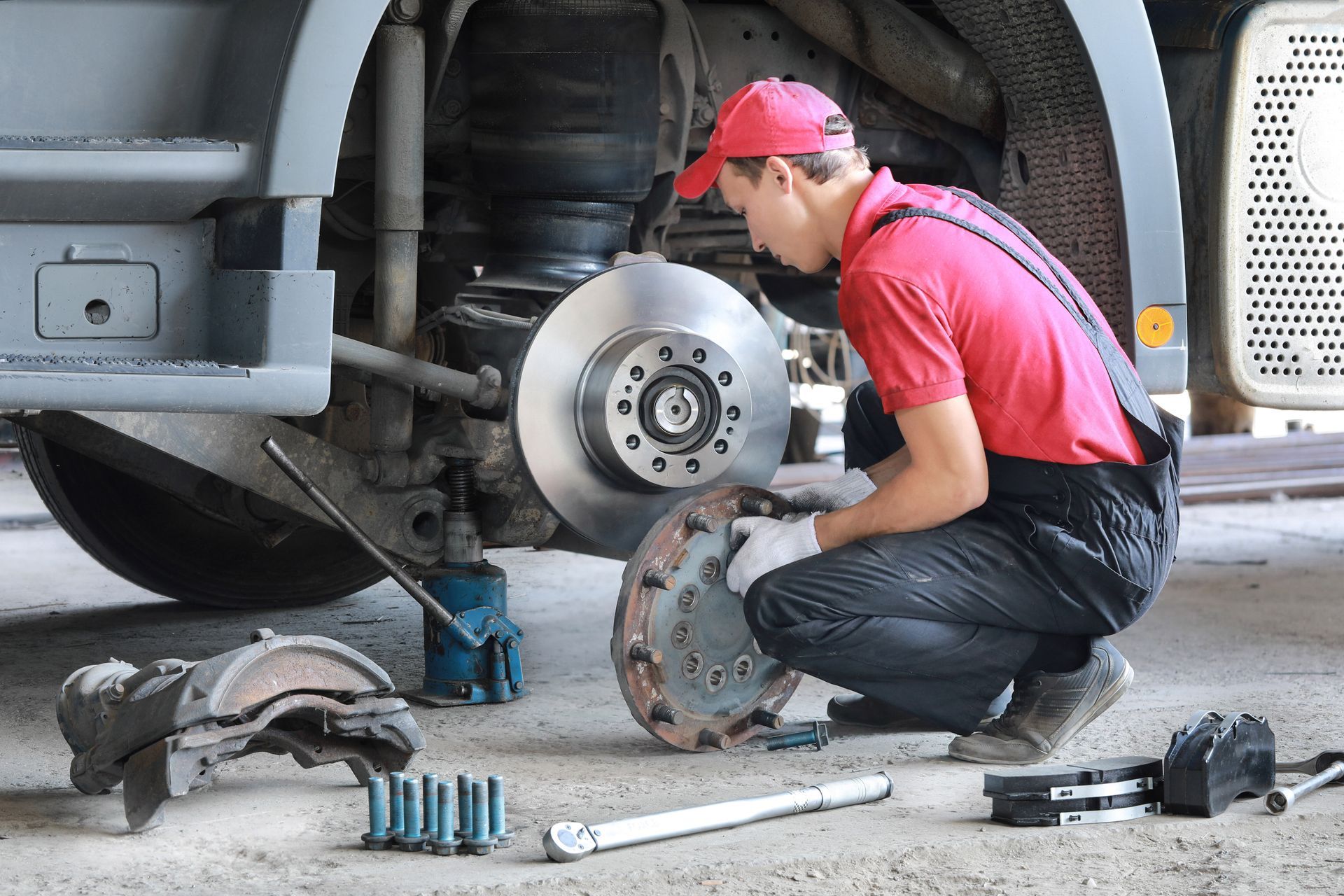
Professionals check rotors using precision tools to measure thickness and surface variation. Depending on severity, rotors may be resurfaced or replaced entirely. Experts also look for underlying causes, such as sticking calipers, to reduce the chance of repeat problems.
Proper rotor repair restores smooth braking and improves overall vehicle control.
3. Resolving Brake Fluid Leaks
Brake fluid plays a critical role in transferring force from the pedal to the brakes themselves. Leaks reduce hydraulic pressure, leading to a soft or sinking brake pedal. Even small leaks can significantly affect braking performance.
During auto brake repair inspections, technicians examine brake lines, hoses, master cylinders, and calipers for signs of fluid loss. Once the source is located, damaged components are repaired or replaced, followed by a complete system bleed to remove air.
Restoring fluid integrity helps maintain consistent and reliable braking response.
4. Fixing Sticking Calipers
Brake calipers apply pressure to the pads, pressing them against the rotors. When calipers stick, pads may remain partially engaged, causing overheating, uneven wear, and reduced fuel efficiency. Drivers may notice pulling to one side or a burning smell.
Experts diagnose sticking calipers by checking wheel resistance, pad wear patterns, and piston movement. Repairs may involve cleaning and lubricating components or replacing the caliper entirely if internal corrosion is present.
Correcting caliper issues protects rotors and pads while restoring balanced braking.
5. Repairing Brake Line Corrosion
Brake lines are exposed to moisture, road salt, and debris, making them vulnerable to corrosion over time. Rusted lines can weaken and eventually rupture, leading to sudden brake failure.
Professionals inspect brake lines along the vehicle’s undercarriage, paying close attention to bends and connection points. Corroded sections are replaced, and fittings are secured to restore system integrity.
Timely repair of corroded lines reduces the risk of unexpected braking loss.
6. Diagnosing Brake Pedal Problems
A brake pedal that feels spongy, stiff, or unresponsive often signals deeper issues. These symptoms can stem from air in the brake lines, failing master cylinders, or contaminated fluid.
During auto brake repair evaluations, technicians test pedal response and inspect hydraulic components. Solutions may include bleeding the system, replacing seals, or installing a new master cylinder.
Improving pedal feel enhances driver confidence and braking accuracy.
7. Solving ABS Warning Light Issues
Modern vehicles rely on anti-lock braking systems (ABS) to maintain control during sudden stops. When the ABS warning light turns on, it often indicates sensor problems or electrical faults rather than mechanical brake failure.
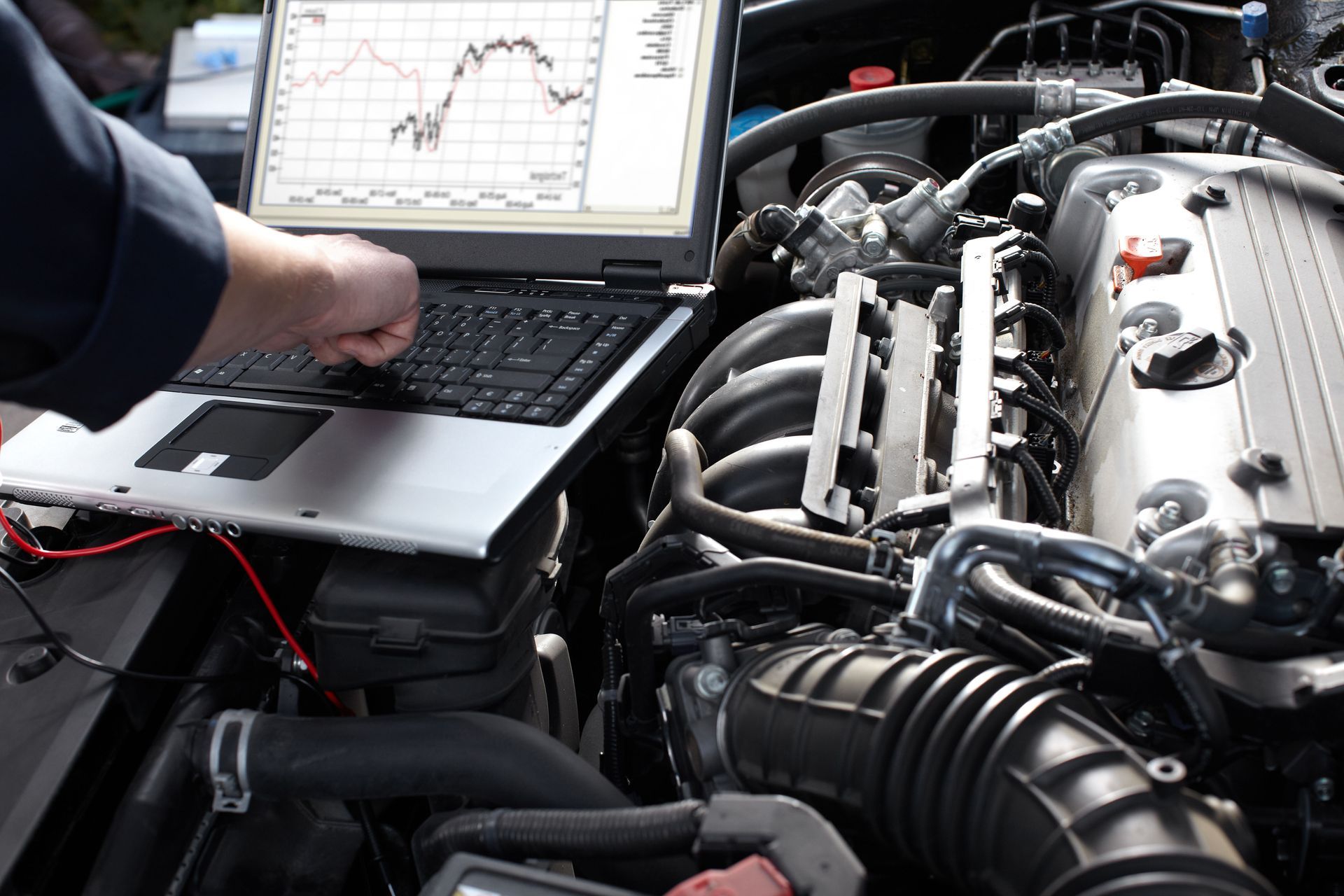
Experts use diagnostic tools to read error codes and pinpoint faulty sensors or wiring. Repairs focus on restoring proper communication between components rather than replacing the entire braking system.
Addressing ABS issues helps maintain stability and traction during emergency braking.
8. Correcting Uneven Brake Wear
Uneven brake wear reduces braking efficiency and shortens component lifespan. Causes may include misaligned calipers, suspension issues, or improper installation during prior auto brake repair work.
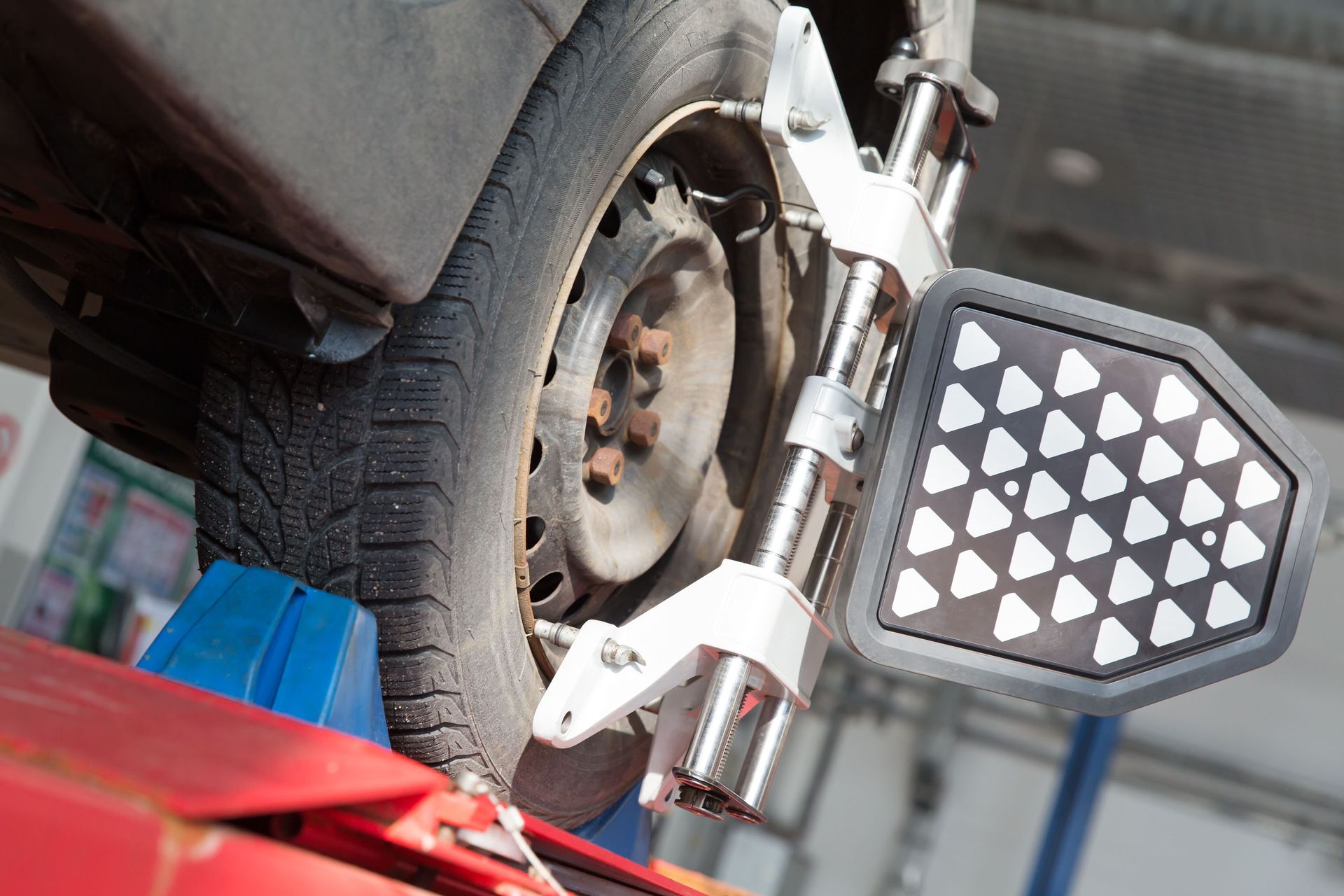
Technicians analyze wear patterns on pads and rotors to identify root causes. Fixes may involve adjusting hardware, replacing worn parts, or addressing alignment concerns.
Balanced wear promotes smoother braking and reduces long-term costs.
9. Managing Brakes that Overheat
Overheating brakes often result from heavy loads, aggressive driving, or dragging components. Excessive heat can lead to brake fade, where stopping power temporarily drops.
Professionals assess heat damage by inspecting rotors for discoloration and pads for glazing. Repairs focus on replacing compromised parts and correcting contributing factors, such as sticking calipers or incorrect pad materials.
Managing heat buildup helps preserve braking reliability under demanding conditions.
10. Preventing Noise and Vibration Issues
Brake noise doesn’t always indicate immediate danger, but it often signals wear or installation problems that deserve attention. Squealing, clicking, or grinding sounds can originate from brake pads reaching the end of their service life, loose shims, or hardware that has shifted out of position. Environmental factors such as moisture, dust, and temperature changes can also amplify these sounds, making them more noticeable during certain driving conditions.
Experts isolate noise sources through test drives and detailed component inspections. They listen for when the noise occurs, such as during light braking or at low speeds, and compare that information with visible wear patterns. Solutions may include installing new pads with proper shims, applying anti-noise compounds, resurfacing rotors, or replacing worn clips and hardware that no longer hold components securely.
11. Maintaining Long-Term Brake Performance
Routine inspections and timely service play a major role in preventing serious brake problems. Regular auto brake repair checkups allow technicians to spot wear early and recommend maintenance before issues escalate. During these inspections, professionals examine brake pads, rotors, fluid levels, hoses, and hardware to identify subtle changes that might not yet affect daily driving but could lead to sudden failure if ignored. Catching these concerns early often means simpler repairs and less downtime for the vehicle.
Drivers who follow service schedules often experience smoother braking and fewer unexpected repairs. Consistent attention helps maintain even pad wear, proper rotor condition, and stable hydraulic pressure, all of which contribute to predictable stopping power. It also reduces the risk of secondary damage, such as worn pads grinding into rotors or leaks causing system-wide performance loss.
Proactive maintenance keeps braking systems dependable over the long term. When brakes are serviced regularly, vehicles respond more consistently in emergency situations, giving drivers greater confidence behind the wheel and helping extend the lifespan of critical components.
12. Building Confidence Through Professional Care
Brake systems combine mechanical, hydraulic, and electronic components that work together every time you press the pedal. When one part fails, overall performance suffers. Professional repairs focus on restoring balance across the entire system rather than treating symptoms alone.
Understanding how experts approach common brake issues helps drivers make informed decisions when problems arise. Knowledge reduces uncertainty and encourages timely action.
Auto brake repair addresses more than just worn parts—it restores safety, control, and peace of mind. By recognizing common brake issues and how experts fix them, you’re better prepared to respond before small problems become serious. When brakes work as intended, every drive feels more secure and predictable. If you are looking for a reliable brake repair shop, contact Jerry's Automotive Service LLC today to learn more and get started!







Share On: