Inside Auto Brake Repairs: What Happens When You Visit the Shop

December 8, 2025

When your car starts making squealing noises or you notice it taking longer to stop, it’s usually a sign that your brakes need attention. Heading to the shop for auto brake repairs can feel intimidating if you’re not familiar with the process, but knowing what to expect can make the experience smoother. From inspections to parts replacement, the brake repair process is straightforward yet essential for your safety on the road.


Initial Inspection and Diagnosis

The first step in any brake service is a thorough inspection. A technician will check your brake pads, rotors, calipers, and brake lines for wear and damage. They will also look for uneven wear patterns or leaks in the hydraulic system. At this stage, the shop may measure rotor thickness and check pad levels. According to Progressive, brake rotors last an average of 60,000 miles, although driving habits and vehicle type can affect this lifespan. Once the inspection is complete, the technician will provide a detailed diagnosis and explain which parts need replacement or repair.


Replacing Brake Components

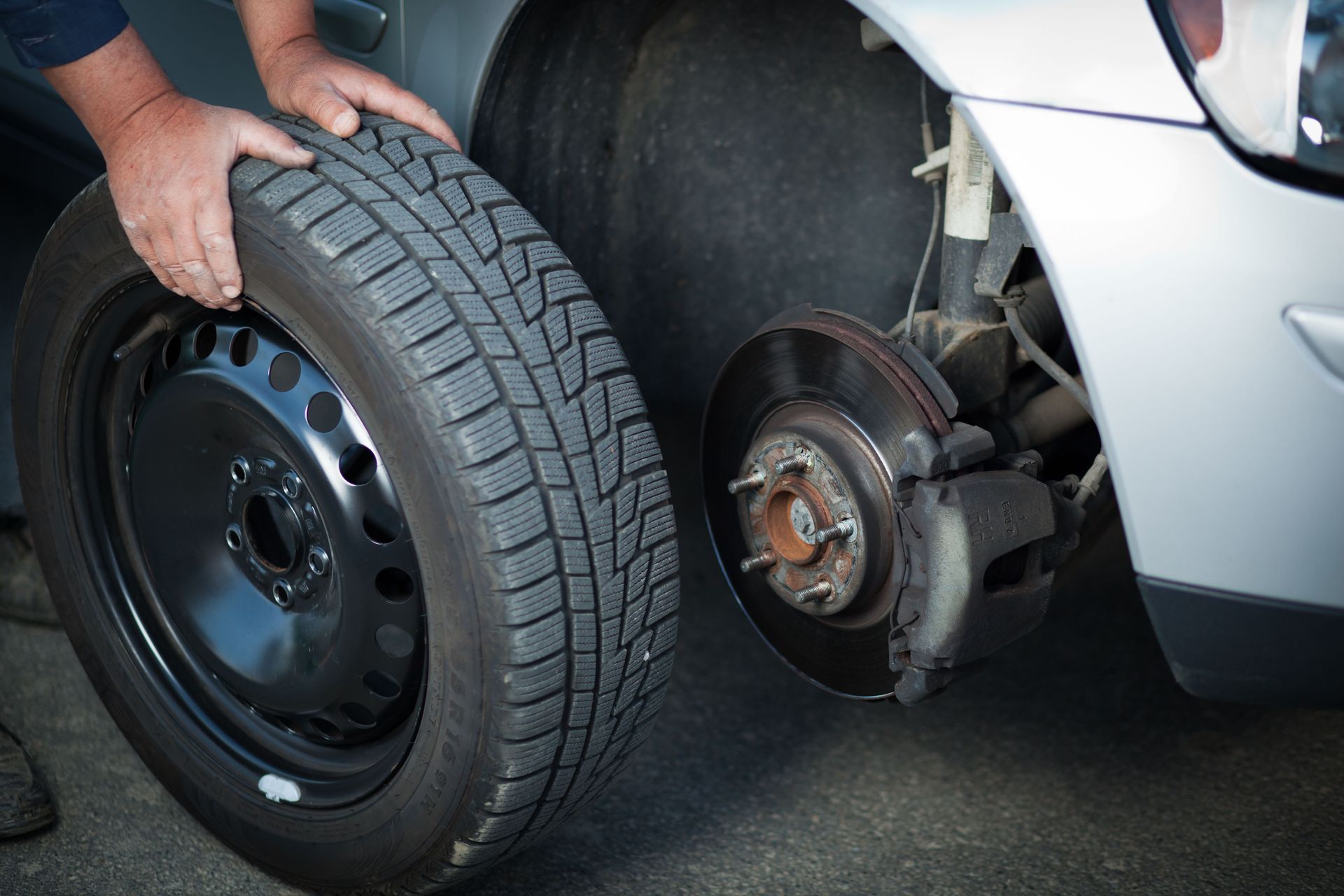
Once the problem is identified, the next step is replacing worn or damaged components. Brake pads are the most common replacement item, and worn pads can compromise stopping power. Rotors may also be resurfaced or replaced depending on their condition. During this stage, technicians ensure that all parts are properly aligned and that calipers are functioning smoothly. Using high-quality replacement parts is crucial for both safety and longevity; many shops offer options that balance performance with cost.


Testing and Final Adjustments

After parts are replaced, the brake system undergoes a series of tests. Technicians will bleed the brake lines to remove any air bubbles and top off brake fluid to ensure optimal performance. They’ll also test the brakes under controlled conditions to confirm that your vehicle stops efficiently and safely. Any necessary adjustments, such as rotor alignment or pad seating, are made before you leave the shop. This final stage ensures that your brakes are reliable for daily driving and emergency stops.


Visiting a shop for auto brake repairs doesn’t have to be stressful. Knowing what to expect can help you feel more confident about the work being done. Regular maintenance and timely repairs not only extend the life of your brake components but also protect you and your passengers on the road.


Schedule your auto brake repairs today with Jerry's Automotive Service LLC and drive with confidence. Don’t wait for a warning squeal; let our team ensure your brakes are in top condition.
October 1, 2025
Regular maintenance of your vehicle is crucial for ensuring long-term performance, safety, and reliability. Beyond basic oil changes and fluid top-offs, one of the most important aspects of maintenance is inspecting wear parts—components that experience constant stress, friction, and deterioration over time. Neglecting these parts can reduce vehicle performance, lead to expensive repairs, or even create unsafe driving conditions. Many wear components look fine at a glance, but hidden issues like internal cracks, uneven wear, or compromised performance may only be detected by a trained professional. To keep your vehicle running safely and efficiently, it’s essential to have a qualified technician inspect these five critical wear parts regularly. Professional Brake Pad Inspections for Safety Brake pads are the backbone of your vehicle’s stopping system. They absorb friction against the rotors to bring your vehicle to a safe halt. Over time, even high-quality brake pads wear down, diminishing braking performance. While you might notice squeaking or reduced responsiveness, only a professional can measure pad thickness accurately, check the condition of your rotors, and ensure the entire braking system is functioning correctly. Attempting to self-assess brake wear may miss early signs of problems, leading to more extensive damage or even safety hazards. Professional brake pad inspections help prevent accidents, maintain optimal braking performance, and extend the life of other brake system components. Expert Tire Checks for Traction and Control Your tires are the only point of contact between your vehicle and the road, making them critical to handling, stability, and stopping power. While you can perform basic visual inspections and monitor tire pressure, only a trained technician can detect hidden issues such as internal tire damage, uneven wear patterns, or alignment problems. Professionals also provide advice on proper rotation schedules, balancing, and replacement timing to maximize safety and tire life. A professional inspection ensures that your tires deliver the traction and control needed under all driving conditions, from wet roads to high-speed highway travel, reducing the risk of accidents caused by worn or improperly maintained tires. Suspension System Assessments and Shock Replacement The suspension system is responsible for absorbing shocks from the road and maintaining vehicle stability. Over time, components like shocks and struts naturally wear, causing excessive bouncing, swaying in turns, and uneven tire wear. Signs of suspension problems may include a rough ride, unusual noises, or a noticeable lean while cornering. According to Nationwide, new shocks are needed every 50,000 to 100,000 miles. While some wear can be detected visually or felt during driving, only a professional technician can accurately assess the condition of the shocks, struts, and other suspension components. Shock replacement by a qualified professional ensures that your vehicle maintains proper handling, ride comfort, and safety—especially during emergency maneuvers or sudden stops. Regular professional suspension checks also prevent long-term damage to tires and other connected systems. Belts and Hoses Checked by a Professional Belts and hoses are critical to many essential systems, including the engine, alternator, and cooling system. Cracks, fraying, or loose tension in these components can lead to engine overheating, sudden failure, or costly mechanical damage. Although some wear may be visible, many problems develop internally and are difficult to detect without professional equipment and expertise. Technicians can thoroughly inspect belts and hoses, identify early signs of wear, and replace them before a failure occurs. Professional maintenance ensures your vehicle operates reliably, reducing the risk of being stranded or experiencing severe engine damage. Air Filter Replacement with Professional Oversight The air filter prevents dirt, dust, and debris from entering your engine. Over time, it can become clogged, limiting airflow and reducing fuel efficiency. While drivers may inspect air filters visually, professionals can evaluate overall engine performance, determine if a replacement is necessary, and ensure proper installation. This professional oversight helps maintain optimal airflow, prevents potential engine damage, and supports better fuel economy. Regular professional air filter checks are a small step that can significantly prolong engine life and maintain your vehicle’s efficiency. Vehicle safety and reliability depend on the proper maintenance of wear parts, many of which cannot be thoroughly evaluated without professional expertise. Brake pads, tires, suspension systems, belts and hoses, and air filters all require expert attention to function properly. Shock replacement, in particular, is a task best left to trained technicians, as worn shocks can directly affect ride comfort, handling, and braking safety. By trusting a professional to inspect and service these components, you can prevent costly repairs, avoid breakdowns, and drive with confidence. Don’t wait until a small problem becomes a major issue—schedule a comprehensive inspection and any needed shock replacement today with Jerry's Automotive Service LLC, and ensure your vehicle continues to operate safely and efficiently for years to come.
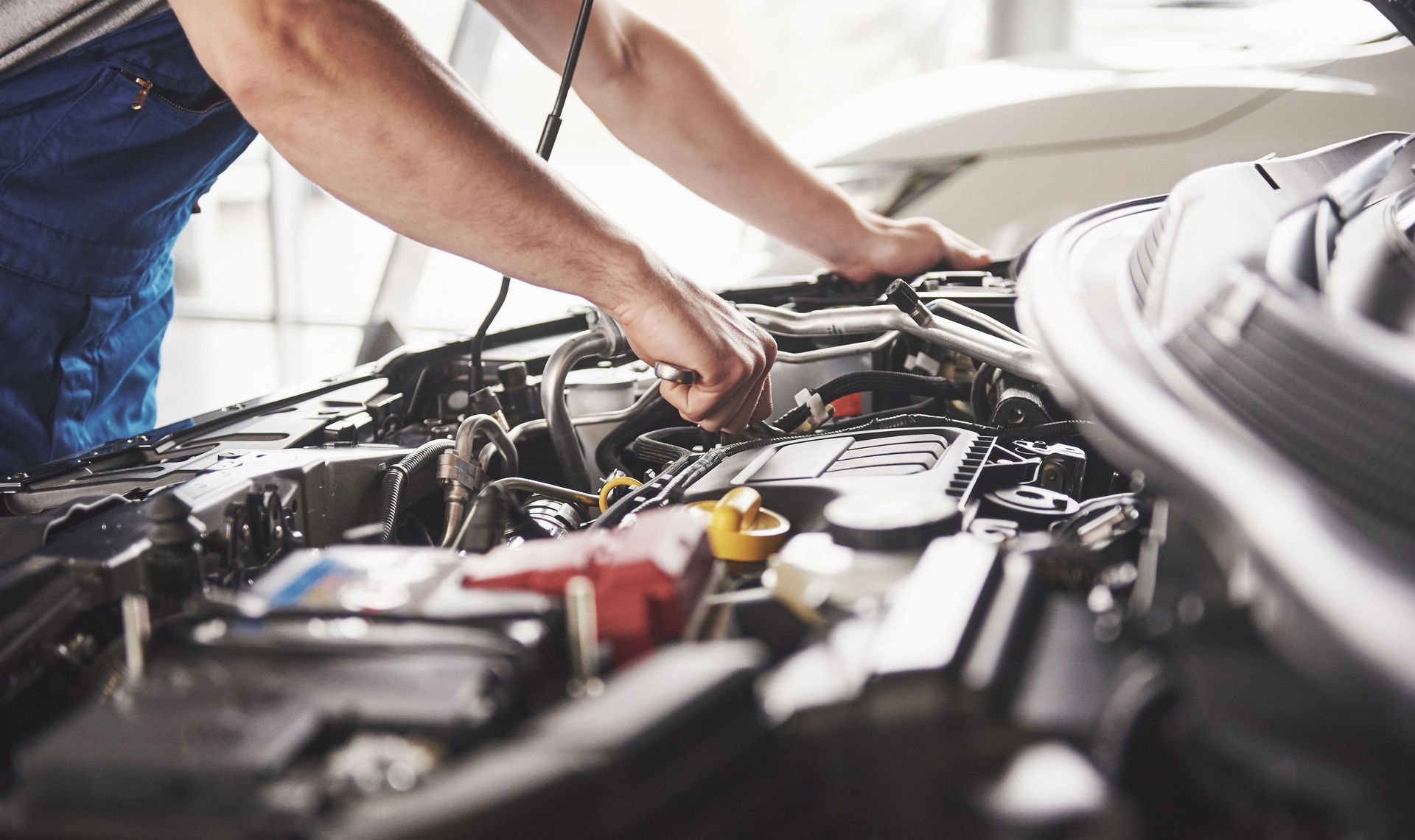
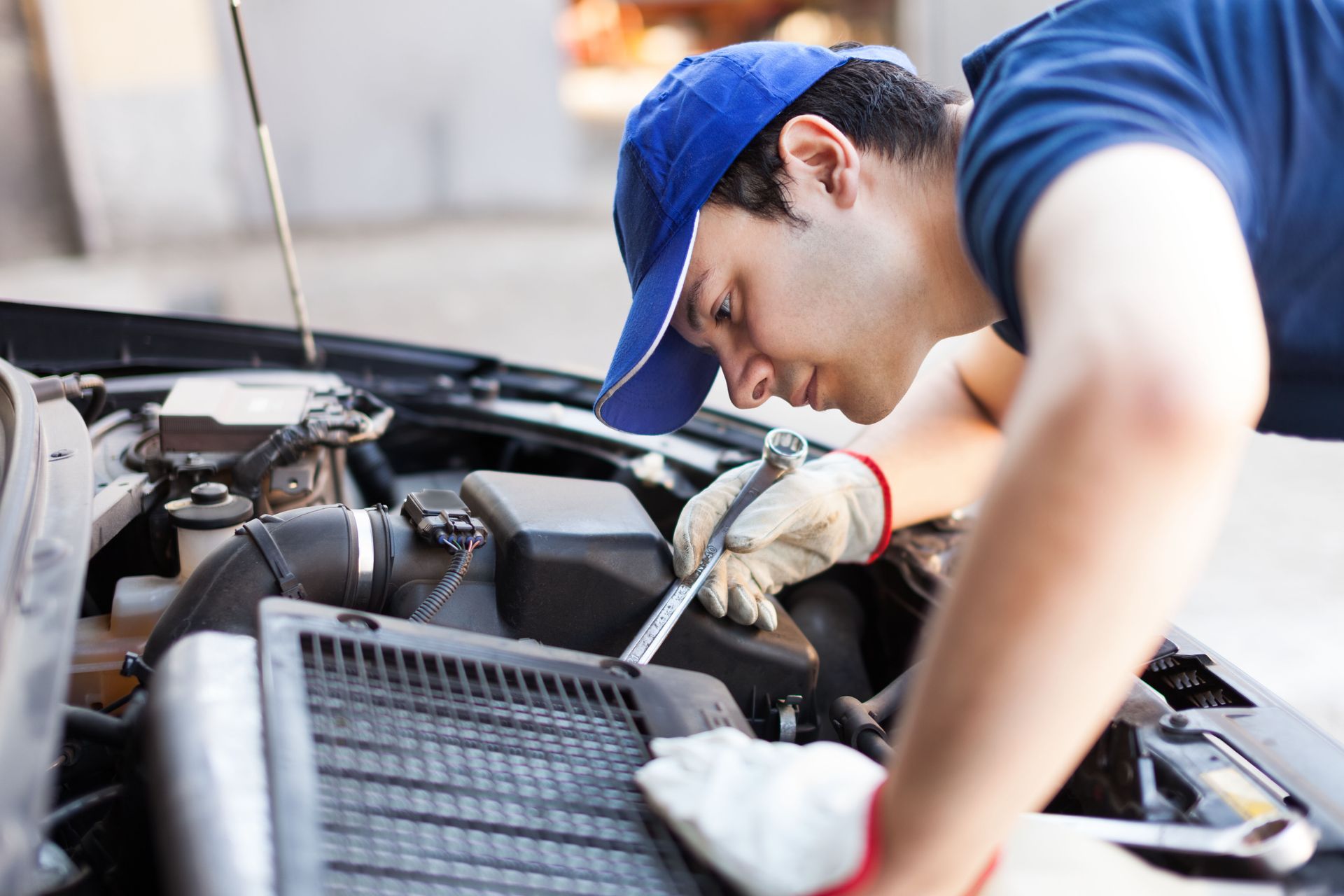
A man is working on a car in a garage.
August 23, 2024
Keeping your vehicle in top condition involves regular maintenance. Here's a guide to help you decide when it's time to head to the auto garage.
auto brake repair
February 20, 2024
Check out our post to learn how to know that your brake pads need replacing. If you need auto brake repair, contact us today.
auto brake repair
August 8, 2023
What are some cons of trying to DIY your auto brake repair? We've got four right here! Call today when you need a professional to take care of your brakes.
auto garages
January 27, 2023
Here are some of the most common questions you should ask your mechanic before work begins at one of the local auto garages.
auto garage
July 27, 2022
When it's been a while since you've visited an auto garage, check out some quick and easy signs your car needs repairs.