
How Often Should You Rotate Your Tires?
Tire rotation is a vital yet frequently overlooked aspect of routine vehicle maintenance. Drivers often focus on regular oil changes, but neglecting tread care can compromise road safety and vehicle stability. Tires experience uneven wear because front and rear axles perform distinct roles during daily driving. Front tires endure greater stress from steering movements, weight transfers, and braking forces. Rotating your tires systematically redistributes physical wear across all four wheels, preserving balanced handling, reliable traction, and driving stability.
When vehicle owners skip scheduled rotation services, minor tread variations can turn into major operational hazards. Uneven tread wear impairs braking responsiveness, degrades wet weather traction, and creates uncomfortable cabin vibrations during transit. Visiting a reliable auto garage for routine tire care helps prevent these avoidable issues before they escalate. Understanding the proper intervals, patterns, and benefits of regular tread management allows drivers to keep their vehicles operating at peak performance. By adopting a proactive maintenance mindset, motorists protect their tire investment and ensure safer journeys.
Understand Tire Rotation and Maintenance
Tire rotation involves systematically swapping the position of each wheel on a vehicle at predetermined intervals. Mechanics shift wheels from front to back, side to side, or diagonally based on specific drivetrain configurations and tread patterns. Front-wheel drive, rear-wheel drive, and all-wheel drive systems each exert unique stress patterns on individual tires. For example, front-wheel drive vehicles place heavy demands on the front axle, causing those tires to wear down faster than the rear ones. Swapping positions allows the tread on every tire to wear down at a uniform rate over time.
Maintaining consistent tread wear across all four positions directly influences how your vehicle behaves on the road. Uniform tread depth maintains optimal contact between rubber and road surfaces, supporting predictable steering control and firm stopping power. When you bring your vehicle to a professional auto garage, qualified technicians assess tread depth patterns and select the correct rotation layout. Routine maintenance prevents individual tires from developing severe bald spots or cupping. This proactive step extends tire lifespan and delivers a smoother ride.
Follow Manufacturer Guidelines and Schedules
Vehicle manufacturers establish clear guidelines for tire maintenance to help drivers achieve optimal vehicle performance and safety. Standard recommendations advise rotating tires regularly, often aligning with routine engine oil service intervals. Following these established intervals prevents localized wear patterns from establishing themselves permanently on the tread surface. Heavy vehicles, performance models, and diesel engines may require customized rotation frequencies due to weight distribution and torque characteristics. Checking your owner manual provides exact specifications tailored to your vehicle make and model.
Adhering to factory recommendations plays a major role in preserving tire warranty coverage. Many tire manufacturers require documented evidence of regular maintenance before approving prorated warranty claims for premature wear. Establishing a routine relationship with a full-service auto garage ensures that every rotation service is recorded accurately in your vehicle maintenance history. Regular adherence to manufacturer schedules reduces stress on surrounding mechanical systems. Following guided schedules keeps your vehicle performing efficiently while eliminating guesswork.
Recognize Wear Indicators and Symptoms
Recognizing early warning signs of irregular tread wear allows drivers to address tire issues before severe damage occurs. Visual cues such as uneven shoulder wear, central tread thinning, or diagonal wear bands across the tire surface indicate immediate attention is needed. Drivers may also notice physical indicators while driving, including unusual vibrations through the steering wheel or brake pedal. Subtle drifting or pulling toward one side of the road can signal unbalanced tire wear or underlying alignment discrepancies requiring evaluation.
Auditory cues provide another clear signal that tire rotation or alignment service is overdue. Unevenly worn tire treads often generate persistent humming, thumping, or growling noises that increase in volume at highway speeds. Promptly bringing your vehicle to a local auto garage allows technicians to inspect tread wear and pinpoint the exact source of noise or vibration. Addressing these warning signs quickly prevents compound mechanical issues from developing in related suspension components. Early intervention restores cabin quietness, improves steering feedback, and keeps your vehicle driving safely.
Compare Service Options and Procedures
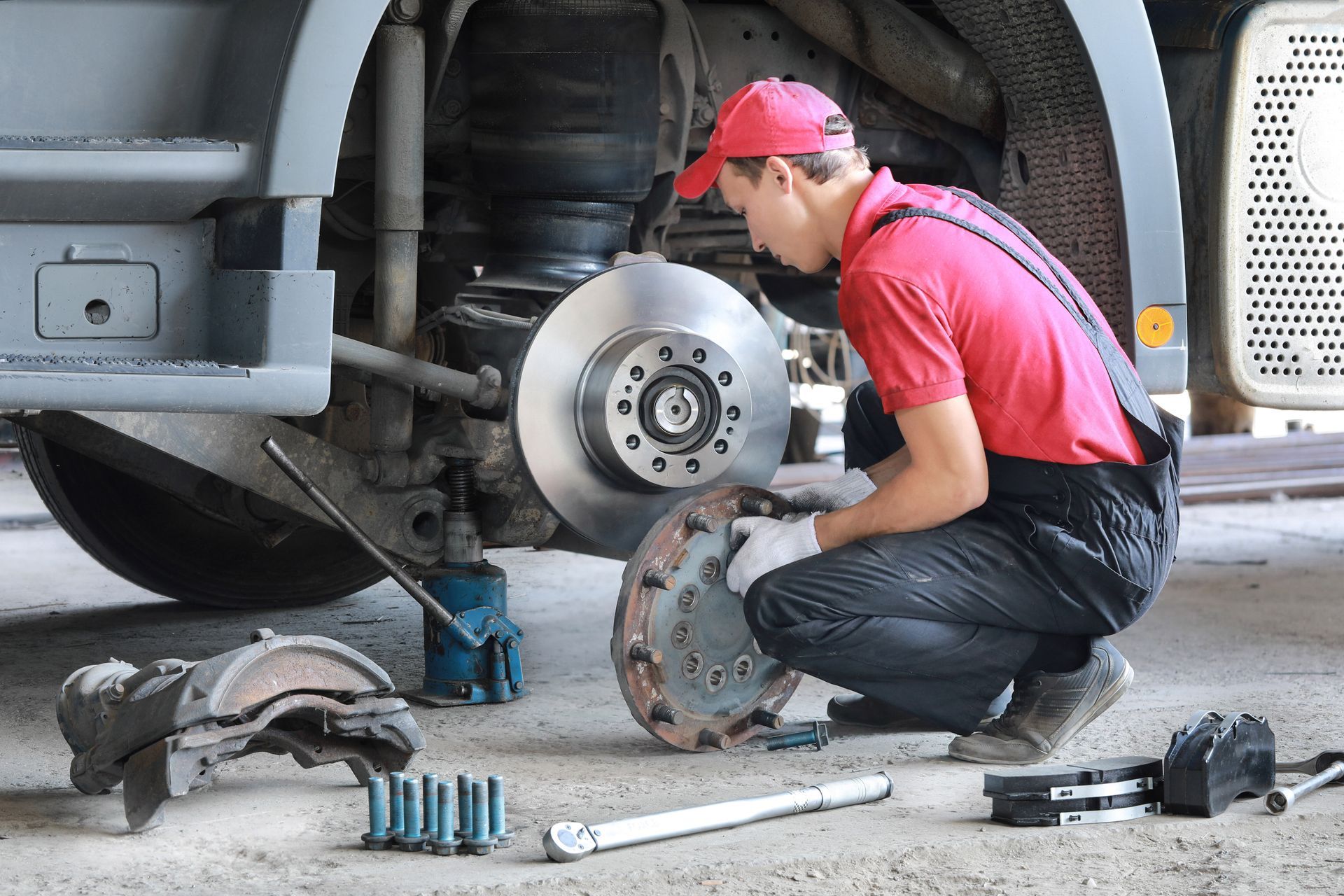
Vehicle owners often evaluate whether to perform tire rotations at home or rely on professional facilities for service. DIY rotations require specific equipment, including hydraulic floor jacks, heavy-duty jack stands, wheel chocks, and calibrated torque wrenches. Proper safety procedures must be followed strictly when lifting heavy vehicles to prevent accidents or vehicle damage. Home mechanics must also carefully identify the correct rotation pattern to avoid mounting tires incorrectly, which could negatively impact vehicle handling and tread life.
Choosing professional care provides distinct benefits beyond labor convenience and physical safety. Experienced technicians inspect brake pads, suspension bushings, wheel bearings, and tire inflation pressures while the vehicle is raised on a lift. According to Spectrio, independent repair shops perform 75% of aftermarket auto repairs, while dealerships complete 25%. A local auto garage offers comprehensive diagnostic expertise alongside basic rotation procedures, ensuring minor wear issues are detected promptly. Professional service guarantees that wheel lug nuts are tightened to exact manufacturer specifications for road safety.
Protect Suspension Components and Alignment
Tire wear and suspension health share a direct relationship within your vehicle's undercarriage system. Uneven tread patterns create unequal rolling resistance and imbalanced mechanical feedback, placing extra stress on shocks, struts, ball joints, and control arm bushings. Running on severely worn tires can accelerate component degradation across the steering assembly. Regular tire rotations help distribute mechanical loads evenly, protecting sensitive suspension hardware from premature strain and maintaining original ride comfort levels.
Wheel alignment works hand in hand with regular tire rotations to preserve vehicle stability and tire longevity. Bumping curbs or hitting potholes can push wheel alignment out of factory specification, causing rapid tread wear. Scheduling routine checkups at a qualified auto garage allows technicians to evaluate wheel alignment alongside tire rotation services. Addressing alignment deviations and tire wear concurrently prevents irregular scalloping on tire edges. Keeping these interconnected systems in harmony promotes smooth tracking, crisp steering control, and long-term reliability.
Schedule Routine Inspections and Services
Incorporating tire rotations into a broader preventive maintenance plan ensures your vehicle remains dependable in all driving conditions. Combining tire service with routine oil changes, brake inspections, and fluid checks streamlines vehicle care into efficient service visits. Heavy driving, towing trailers, or navigating winter roads increases tread strain and necessitates frequent inspections. Establishing a consistent maintenance routine helps drivers anticipate service needs, preventing unexpected mechanical issues and ensuring vehicle readiness.
Partnering with a reliable auto garage gives vehicle owners confidence that all automotive systems receive thorough attention. Professional mechanics monitor tread depth with precise gauges and evaluate overall rubber health, checking for dry rot, punctures, or sidewall damage. Regular inspection routines catch minor flaws early, protecting driver safety and preserving vehicle value over time. Committing to a consistent tire maintenance schedule pays off in smooth vehicle performance, responsive emergency handling, and extended tread durability.
Regular tire rotation remains one of the simplest ways to preserve vehicle safety, driving comfort, and tread longevity. By distributing tread wear evenly across all four wheels, drivers maintain superior traction, responsive braking performance, and balanced steering control. Understanding manufacturer guidelines, monitoring tread wear indicators, and protecting suspension components ensure your vehicle stays operating smoothly under all roadway conditions. Consistent tire care safeguards your vehicle investment and helps maintain reliable performance throughout every season.
When you notice unusual vibrations, noisy tire operation, or uneven tread wear patterns, professional attention resolves issues before they escalate into major repairs. Bringing your vehicle to an established auto garage guarantees expert care, accurate wheel torque, and comprehensive undercarriage inspections. Our team of certified technicians is dedicated to keeping your car, truck, or diesel engine in optimal running condition for every mile ahead. Contact us today to schedule your next maintenance appointment with Jerry's Automotive Service LLC.














Share On: