Navigating the Economics of Transmission Repair
Navigating the mechanical and financial realities of vehicle ownership demands a clear understanding of your automobile's most intricate systems. Among these components, the internal gearbox, or transmission assembly, serves as the critical link that translates raw engine power into controlled rotational force at the drive wheels. When this complicated system operates flawlessly, gear transitions feel smooth, acceleration responds instantly, and fuel efficiency remains optimized. However, because the transmission undergoes continuous physical friction, extreme thermal stress, and hydraulic pressure, its internal gears, seals, and clutch packs naturally degrade over time. When performance anomalies manifest, vehicle owners are suddenly forced to confront complex mechanical diagnostics and substantial financial decisions.
Many motorists struggle to interpret the shifting symptoms of a failing gearbox, frequently postponing necessary professional evaluations out of financial anxiety. Ignoring subtle warning signs like delayed gear engagements, fluid leaks, or erratic shifting behavior can rapidly escalate minor mechanical problems into total system failure. Managing these automotive challenges effectively requires an objective, practical approach to vehicle asset management. By evaluating diagnostic options carefully and understanding the various levels of mechanical restoration, drivers can make informed decisions that protect both their daily transportation needs and their household budgets. Prioritizing timely professional intervention helps drivers successfully balance initial service costs against the long-term equity of their vehicles.
Understanding Complex Mechanical Diagnostics
Uncovering the precise root cause of a transmission failure represents the critical first phase of any effective vehicle restoration strategy. Modern automotive gearboxes are highly sophisticated units controlled by dedicated electronic modules, sensitive hydraulic valves, and intricate planetary gear arrays. A minor electronic glitch, such as a faulty speed sensor or a broken wiring harness, can easily mimic the severe physical symptoms of a total mechanical collapse. For this reason, qualified technicians must perform a comprehensive multi-point diagnostic evaluation before recommending any extensive physical teardown or component replacement.
Advanced electronic scan tools allow mechanics to communicate directly with the vehicle's onboard computer network to retrieve specific error codes. These digital data points guide technicians toward localized electrical anomalies or specific pressure drops within the hydraulic fluid passages. Skipping this meticulous diagnostic process can result in the unnecessary replacement of functional mechanical hardware when a simple electronic sensor update was all that was required. Investing in precise diagnostics protects vehicle owners from misdirected labor costs and ensures that the eventual plan for your transmission repair addresses the actual core failure.
Evaluating Preventative Maintenance Value
The absolute most reliable method for avoiding catastrophic mechanical bills is a strict commitment to periodic preventative fluid maintenance. Transmission fluid fulfills multiple critical roles within the gearbox, acting as a hydraulic pressure medium, a vital internal lubricant, and a cooling agent that dissipates intense internal heat. Over extended operational periods, this specialized fluid naturally breaks down, losing its original viscosity and becoming contaminated with microscopic metallic debris and friction material shavings. Operating a vehicle with depleted, oxidized fluid drastically accelerates internal wear, leading to slipping gears and severe overheating.
Scheduling routine fluid flushes and filter replacements at recommended intervals helps remove these harmful abrasive particulates before they can scratch sensitive valve bodies. This proactive care ensures that internal hydraulic seals remain soft and pliable, preventing internal pressure losses that cause harsh gear shifts. When motorists prioritize routine upkeep, they significantly extend the operational lifespan of their existing hardware. Incorporating these simple fluid services into your standard vehicle maintenance routine represents a highly cost-effective alternative to a full mechanical overhaul.
Analyzing the Global Market Scale
The immense scope and critical financial importance of specialized automotive drivetrain maintenance are clearly reflected in international economic indicators. As consumer vehicles remain on the road for longer durations, the collective demand for qualified mechanical restoration continues to expand substantially on a global scale. Property owners worldwide face identical challenges when managing aging vehicular assets and selecting reliable repair solutions. According to Fortune Business Insights, the global transmission repair market size was valued at USD 141.69 billion in 2025.
This massive valuation highlights how heavily modern society relies on specialized automotive workshops to maintain regional transportation networks and keep commerce moving smoothly. The sheer scale of this market segment underscores the fact that transmission wear is a universal reality of internal combustion and hybrid transit systems alike. Because the global automotive infrastructure demands such extensive technical support, vehicle owners should feel reassured that investing in high-quality mechanical care is a standard, necessary aspect of long-term property preservation. Aligning your vehicle with this massive professional service industry ensures access to tested, standardized repair methodologies.
Assessing Rebuilding Versus Replacement
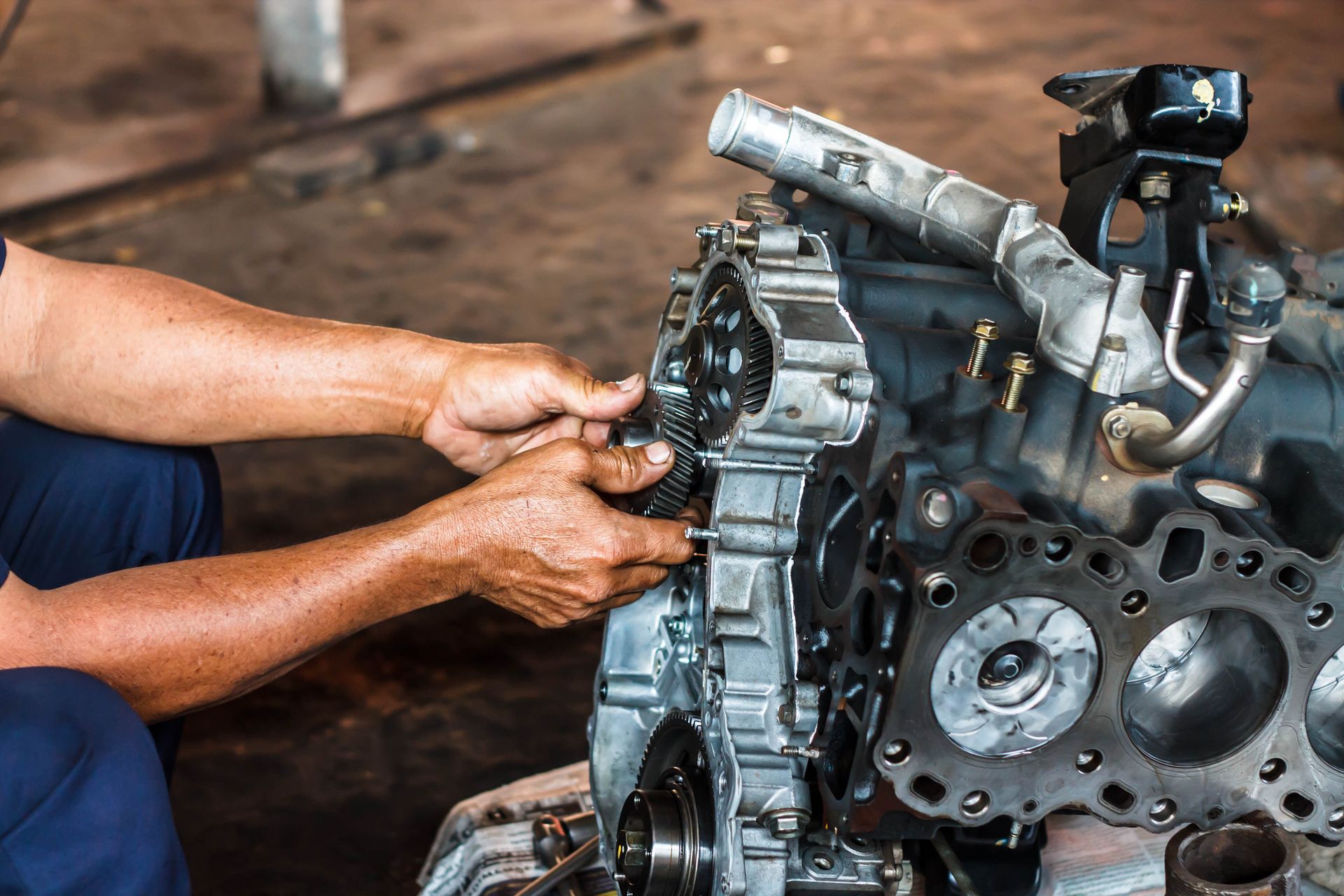
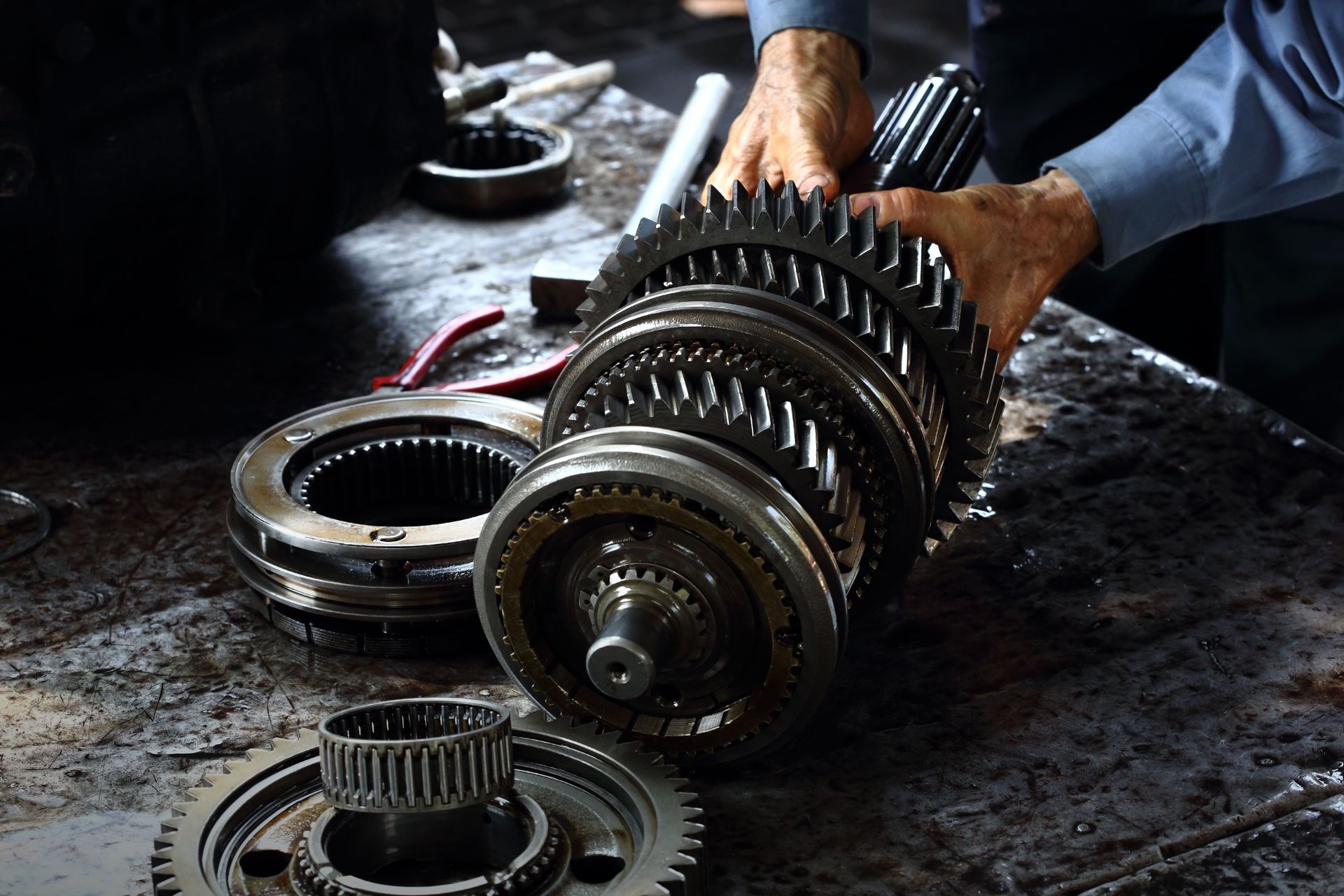
When a gearbox sustains severe internal structural damage, vehicle owners must choose between disassembling and rebuilding the existing unit or replacing it entirely with a fresh assembly. Opting for a comprehensive rebuild involves a highly detailed process where a technician completely removes the transmission, strips it down to individual gears, cleans every component, and replaces only the broken or worn elements. This targeted approach allows the vehicle to retain its original factory casing and matching serial numbers while focusing mechanical expenses strictly on the damaged components.
Conversely, choosing a complete replacement involves removing the damaged unit and installing a factory-remanufactured assembly that arrives pre-tested and ready for immediate deployment. Remanufactured units are completely overhauled in centralized industrial facilities where every single wearable component is automatically updated regardless of its current condition. While a full replacement option often requires a higher upfront material expenditure, it typically reduces overall labor time and comes backed by extensive nationwide warranties. Weighing these distinct mechanical pathways allows property owners to select a strategy that matches their specific downtime constraints and long-term vehicle usage plans.
Calculating Long-Term Asset Equity
Deciding whether to fund a major mechanical restoration requires a clear-eyed calculation of your automobile's remaining market value and overall functional utility. When the estimated cost of a comprehensive transmission repair approaches or exceeds the total resale equity of the vehicle, owners often hesitate to move forward. However, purchasing a brand-new replacement vehicle introduces immediate financial burdens, including new monthly financing payments, elevated registration fees, and increased insurance premiums. In many scenarios, restoring the mechanical integrity of an otherwise dependable, paid-off vehicle makes profound long-term economic sense.
If the vehicle’s structural frame, engine block, interior cabin, and electrical systems remain in excellent condition, restoring the transmission essentially gives the automobile a completely fresh lease on life. This capital investment allows the owner to bypass the rapid depreciation associated with a new vehicle purchase while retaining a highly familiar, functional asset. View your vehicle as a long-term transportation tool rather than a short-term luxury expense. Investing in professional mechanical restoration stabilizes your monthly transportation costs and maximizes the return on your original automotive purchase.
Managing the economic realities of automotive drivetrain wear demands a proactive, well-informed methodology that prioritizes timely diagnostics and expert craftsmanship. Postponing necessary fluid services or ignoring shifting irregularities only transforms simple maintenance needs into expensive mechanical emergencies. True vehicular reliability, long-term asset equity, and daily peace of mind on the highway require specialized diagnostic tools, precision engineering, and verified replacement parts. We at Jerry's Automotive Service LLC are completely dedicated to providing the detailed technical evaluations, honest financial guidance, and elite mechanical repair services required to keep your vehicle operating at peak performance, ensuring your daily travels are always supported by dependable, professional craftsmanship. Contact us today to learn more.





Share On: