Automatic vs. Manual Transmission Maintenance What Drivers Should Know
Automatic and manual vehicles rely on different systems to transfer engine power to the wheels, and those differences affect how drivers should approach maintenance. Automatic systems use fluid pressure, sensors, valves, and internal components to manage gear changes, while manual vehicles depend more heavily on driver input, a clutch, and mechanical gear engagement. Understanding these distinctions can help vehicle owners recognize warning signs, follow appropriate service intervals, and reduce unnecessary wear. Regular transmission maintenance is especially important because small issues involving fluid, shifting, or clutch operation can become more expensive when ignored. Knowing what to expect from each design makes it easier to protect performance and plan service before a breakdown occurs.
Understanding Automatic System Maintenance
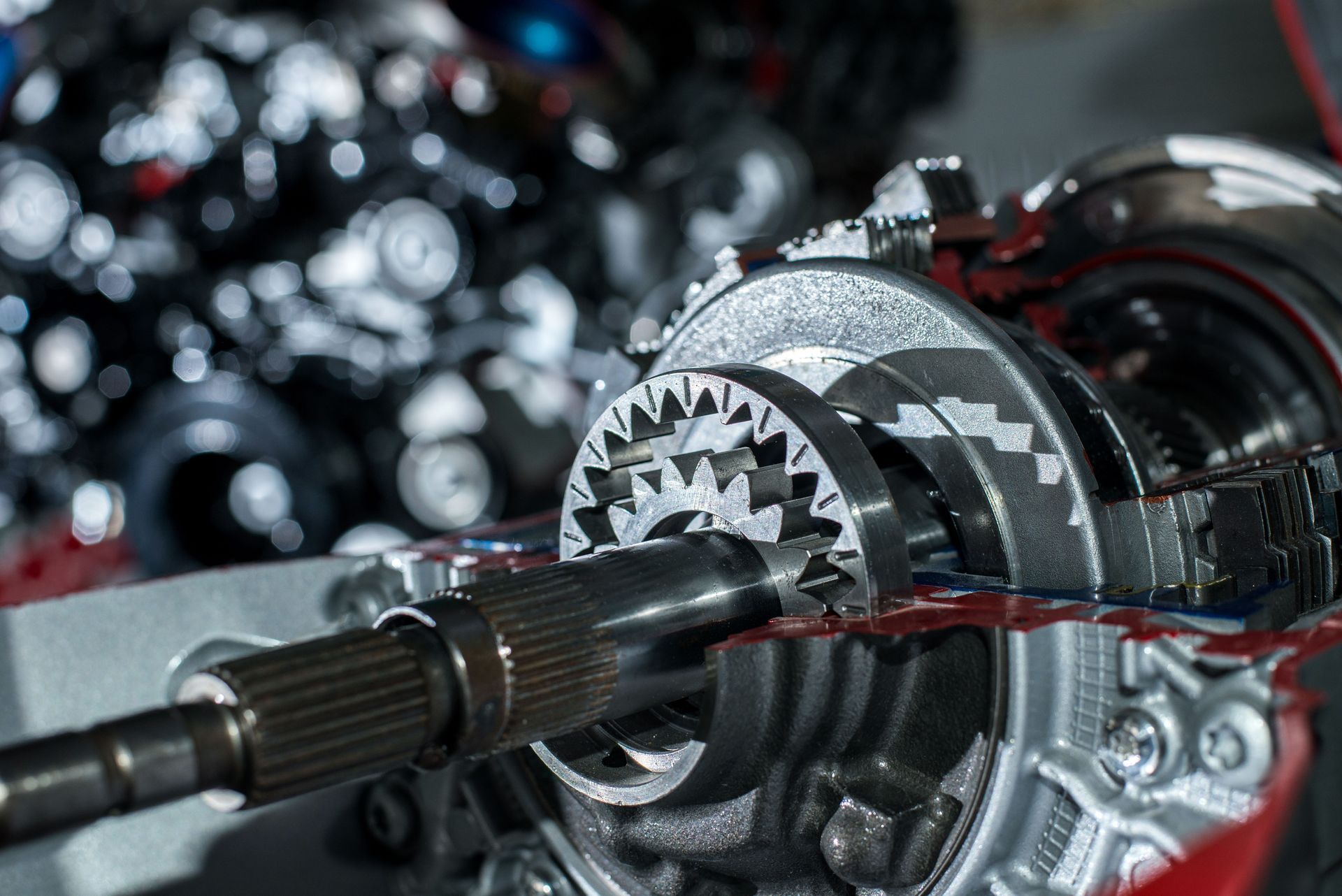
Automatic vehicles handle gear changes without requiring the driver to operate a clutch pedal. Their internal systems depend on clean fluid, proper pressure, electronic controls, and precisely operating components. Heat is one of the biggest concerns because excessive temperatures can break down fluid and reduce its ability to lubricate and cool internal parts. Routine inspections give technicians an opportunity to check fluid condition, look for leaks, and evaluate whether shifting behavior suggests a developing problem.
Drivers should pay attention to delayed engagement, slipping between gears, rough shifts, unusual noises, or hesitation when accelerating. These symptoms do not always mean a major repair is necessary, but they should be evaluated before the condition worsens. Automatic transmission service may also include checking seals, pans, filters, and electronic controls when applicable. Following the vehicle manufacturer's maintenance recommendations is important because different models use different fluids, service procedures, and intervals.
Understanding Manual System Maintenance
Manual vehicles rely on the driver to select gears and engage or disengage the clutch. Because the system is more mechanically direct, maintenance concerns differ from those found in automatic vehicles. Gear oil or other specified lubricant must remain at the correct level and in good condition to reduce friction between moving parts. Drivers should also monitor clutch performance because normal wear can gradually change how the pedal feels and how easily gears engage.
A manual transmission may show problems through grinding noises, difficulty shifting, a clutch that slips, or a pedal that engages unusually high or low. Some issues can develop gradually, making them easy to overlook until driving becomes noticeably different. Paying attention to changes in feel and sound can help drivers schedule service earlier. Good driving habits also matter because resting a foot on the clutch, holding the vehicle on a hill with the clutch, or shifting aggressively can increase wear.
Checking Fluid at Recommended Intervals
Fluid plays an essential role in both automatic and manual systems, although the type and function can vary. In an automatic vehicle, fluid helps lubricate parts, manage hydraulic pressure, control heat, and support smooth shifting. In a manual vehicle, lubricant reduces friction between gears and bearings. Low, contaminated, or degraded fluid can increase wear and contribute to poor performance, which is why regular inspections are an important part of preventive care.
Service intervals vary by vehicle, driving conditions, manufacturer recommendations, and fluid type. According to Cars.com, transmission fluid should generally be changed at around 100,000 miles. Some vehicles may require service sooner, particularly if they tow frequently, operate in extreme temperatures, or spend significant time in stop-and-go traffic. Drivers should consult the owner's manual and ask a qualified technician whether their driving habits justify more frequent checks or fluid changes.
Recognizing Changes in Shifting Behavior
Changes in shifting are often among the earliest signs that a drivetrain component needs attention. Automatic vehicles may hesitate before moving, shift more harshly than usual, or seem to search between gears. Manual vehicles may become harder to place into gear or may produce grinding when the clutch is depressed. These symptoms can result from several causes, including fluid issues, worn components, clutch problems, or electronic controls.
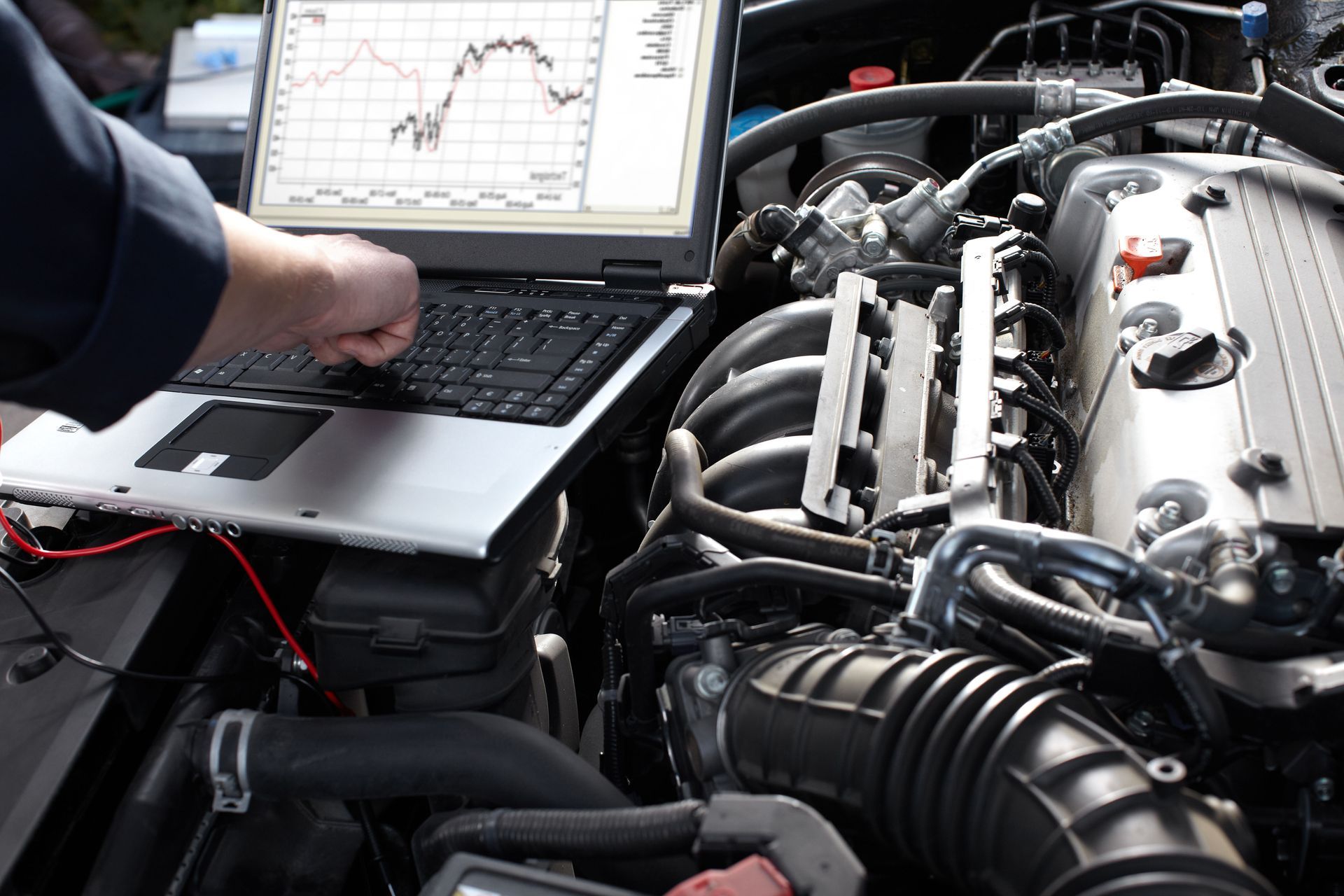
Drivers should avoid assuming that unusual shifting will correct itself. Continuing to operate a vehicle with a developing problem may increase wear and make repairs more complicated. A professional inspection can help determine whether the issue involves routine maintenance or a more significant repair. Early diagnosis is valuable because technicians can compare symptoms with fluid condition, operating temperatures, mechanical wear, and diagnostic information before recommending the next step.
Monitoring Clutch Wear and Performance
The clutch is a major transmission maintenance consideration for manual vehicles because it connects and disconnects engine power during gear changes. Friction material naturally wears over time, and driving habits can have a major influence on how long components last. Smooth engagement, avoiding unnecessary clutch slipping, and fully releasing the pedal after shifting can reduce avoidable wear. Drivers should become familiar with the normal pedal feel so changes are easier to notice.
Common signs of clutch wear include engine speed increasing without a matching increase in vehicle speed, difficulty engaging gears, unusual smells, vibration, or changes in the engagement point. These symptoms should be checked promptly because continued slipping can generate additional heat and damage related components. Clutch concerns do not always mean the entire manual system has failed, but diagnosing the cause early can help limit additional repair needs.
Inspecting for Leaks and Overheating
Fluid leaks should never be ignored because even a slow loss can eventually reduce lubrication and cooling. Drivers may notice reddish, brown, or dark fluid under an automatic vehicle, while manual systems may use lubricant with a different appearance. The exact color depends on the vehicle and fluid type, so any unexplained automotive fluid should be inspected. Seals, gaskets, lines, and housings can all develop leaks over time.
Heat can also accelerate wear, particularly when a vehicle regularly tows, carries heavy loads, climbs steep grades, or operates in demanding traffic. A transmission that repeatedly runs too hot may experience faster fluid breakdown and internal component wear. Warning lights, unusual odors, or noticeable changes in performance can indicate overheating. Regular inspections allow technicians to look for leaks, check fluid levels, and identify conditions that may be placing excessive stress on the system.
Following Driving Habits That Reduce Wear
Maintenance does not happen only in the repair shop. Daily driving habits can influence how quickly drivetrain components wear. Automatic vehicle owners should come to a complete stop before shifting between reverse and drive and avoid excessive acceleration when the vehicle is not fully engaged. Manual drivers should avoid riding the clutch, forcing the gear lever, or using the clutch to hold the vehicle in place on hills. Smooth inputs generally reduce unnecessary stress.
Drivers should also consider how their usual operating conditions affect service needs. Heavy towing, frequent short trips, steep terrain, extreme temperatures, and dense traffic may place greater demands on the drivetrain than steady highway driving. These conditions can justify closer monitoring even when the vehicle has not reached a standard mileage interval. Discussing driving patterns with a professional can help owners build a maintenance schedule that reflects how the vehicle is actually used rather than relying only on mileage.
Automatic and manual vehicles require different maintenance strategies, but both benefit from regular inspections, proper fluid care, attention to shifting behavior, and responsible driving habits. Automatic systems rely heavily on fluid pressure and electronic controls, while manual vehicles add clutch wear and driver technique to the maintenance picture. Watching for leaks, overheating, unusual noises, or changes in performance can help drivers catch problems before they become more serious. Staying proactive with transmission service can support smoother operation, reduce unexpected breakdowns, and help protect major drivetrain components over time. For professional maintenance, diagnostics, and automotive service, contact Jerry's Automotive Service LLC.






Share On: