Growing Trends That Move the Auto Garage Workforce Forward
An expanding network of mechanical systems and complex software continues to transform the transportation sector across the country, fundamentally redefining how passenger and commercial vehicles are serviced and maintained throughout their operational lifespans. Vehicle owners increasingly rely on professional facilities to maintain their primary modes of transit for daily commuting, personal errands, interstate travel, and fleet-based commercial logistics. Specialized technicians remain essential to this modern mobility infrastructure because modern automobiles feature intricate computer architecture, complex sensor arrays, and multiplexed wiring networks directly alongside traditional mechanical systems like internal combustion engines, hydraulic brakes, and mechanical transmissions. This ongoing technological transition requires highly trained individuals who can bridge the gap between computer-based diagnostic programming and traditional mechanical repair work across diverse vehicle models.
As personal vehicles remain central to regional mobility, the demand for qualified service personnel continues to climb steadily throughout suburban centers, urban metropolises, and rural communities alike. Commercial fleets, municipal transport agencies, and private drivers all depend on skilled professionals to perform routine preventive inspections, complex engine overhauls, advanced suspension calibrations, and structural repairs. The rising technological complexity of modern automobiles prevents average drivers from managing their own maintenance tasks, creating a sustained reliance on fully equipped service hubs across every major market. Consequently, the modern auto garage plays a critical role in preserving vehicle safety, passenger comfort, road performance, emissions compliance, and overall long-term operating efficiency for millions of drivers nationwide.
Integrating Electric Drivetrains and Software Systems
Integrating electric drivetrains into mainstream transportation requires service centers to update their equipment, safety protocols, and physical floor layouts to accommodate high-voltage architectures. Technicians must now master specialized high-voltage safety procedures, complex battery management systems, thermal regulation networks, and electronic inverter diagnostics alongside their foundational mechanical skill sets. Modern diagnostic scanners continuously monitor onboard microcontrollers and internal sensors, requiring service workers to analyze real-time data streams and fault codes to isolate subtle electrical, software, or mechanical anomalies.
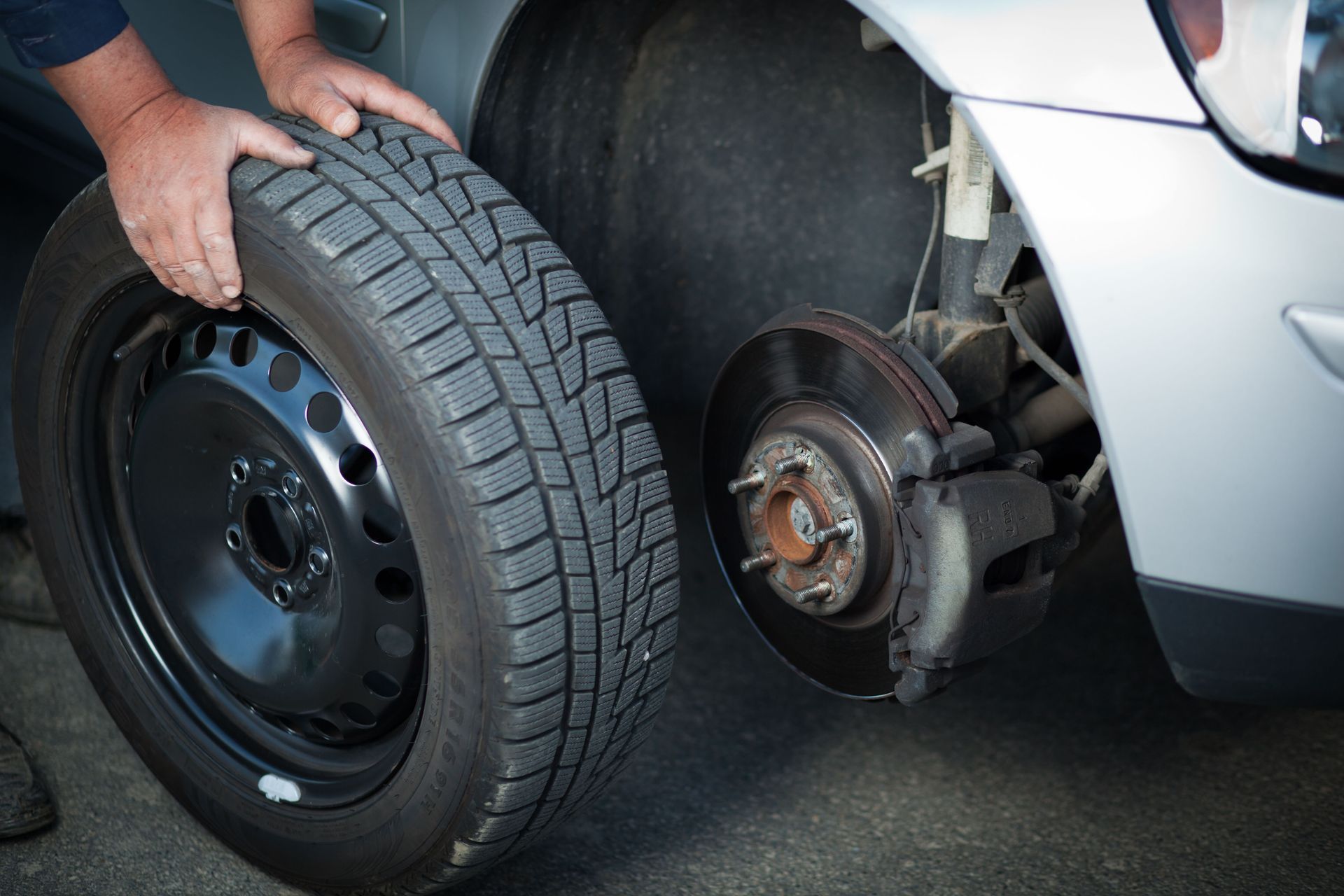
Automated machinery actively assists technicians with delicate tire balancing, computer-controlled wheel alignment, fluid extraction, and heavy battery tray handling, streamlining daily shop operations while dramatically improving workplace safety and repair precision. Digital diagnostic systems quickly evaluate whole-vehicle electronic health, allowing service managers to generate transparent, itemized health assessments and visual repair recommendations directly for customers. Adapting to these rapid technological shifts requires commercial facilities to invest heavily in ongoing technical instruction, manufacturer certifications, and modern tooling for their mechanical staff. Managing these complex automotive systems ensures that each auto garage stays fully prepared to service both internal combustion engines and modern battery-electric drivetrains safely and efficiently.
Managing Increasing Numbers of Vehicles on the Road
Expanding urban populations generate a high volume of daily commuter traffic, putting continuous mechanical wear on passenger vehicles through frequent stop-and-go driving, thermal cycles, and heavy road usage. Rising disposable incomes across key demographics also encourage consumers to purchase additional household vehicles, finance upgraded trim levels, or acquire specialized recreational transportation options. Furthermore, the rapid growth and widespread adoption of ride-sharing platforms, localized delivery services, and corporate fleet operations force personal and commercial vehicles to accumulate mileage rapidly, accelerating tire wear, brake degradation, and routine lubrication maintenance schedules.
Vehicles remain on public roads significantly longer today due to notable engineering advancements in build quality, corrosion resistance, synthetic lubricants, and durable engine component materials. According to the U.S. Bureau of Labor Statistics, employment of automotive service technicians and mechanics will grow by 4 percent from 2024 to 2034, partially driven by servicing older vehicles. A robust maintenance and repair workforce is essential to support the longevity of aging vehicles. Consequently, every regional auto garage experiences a steady stream of service requests ranging from basic routine maintenance and brake replacements to complex transmission rebuilds and chassis realignments.
Complying with Environmental Regulations and Standards
Government agencies continually establish strict emissions standards and environmental mandates to limit atmospheric pollution, reduce ozone-depleting gases, and control vehicle exhaust output across urban corridors. Service centers must utilize standardized, highly accurate exhaust analyzers and computer diagnostics to verify that passenger cars and commercial vehicles meet state and federal environmental compliance thresholds during mandatory safety inspections. Government incentives for green technologies encourage drivers to adopt low-emission hybrid vehicles and pure electric platforms, requiring specialized testing apparatus and technical knowledge to evaluate regenerative braking systems, exhaust gas recirculation valves, and hybrid power splits.
Maintaining strict adherence to environmental laws requires commercial facilities to carefully document fluid containment, hazardous waste disposal, spent battery recycling, and scrap metal processing. Technicians must complete specialized training and hold specific regulatory certifications to work legally on high-pressure air conditioning refrigerants, complex exhaust treatment systems, and high-voltage battery enclosures. Investing in continuous compliance training helps automotive facilities avoid costly regulatory penalties while upholding high environmental stewardship standards within their local communities. As emission guidelines evolve, a professional auto garage ensures that customer vehicles remain completely compliant with all regional, state, and federal environmental laws.
Navigating Dynamic Economic Factors and Supply Chains
Fluctuating fuel prices directly influence consumer driving habits and vehicle usage, shifting driver focus toward fuel-efficient maintenance practices, tire pressure optimization, fuel injection cleaning, and hybrid system maintenance. Global supply chain network adjustments affect repair timelines and part pricing, requiring shop owners and service managers to build resilient relationships with multiple verified original equipment manufacturers and aftermarket component distributors. Furthermore, comprehensive auto insurance policies and third-party warranty programs heavily influence how collision repairs, structural work, and major mechanical overhauls are itemized, approved, and financially settled.
General economic expansion encourages consumers to invest consistently in preventive care and high-end automotive enhancements, while broader economic slowdowns lead drivers to repair and preserve their existing vehicles rather than committing to expensive new car loans. Service managers must carefully balance rising master technician wages, shop utility overhead, expensive tool subscriptions, and replacement part costs to maintain competitive repair rates. Managing inventory effectively through advanced stock software prevents long bay delays when sourcing rare engine parts, electronic modules, or specialized sensors. Maintaining steady operations through shifting market conditions allows a stable auto garage to deliver reliable, high-quality repair services regardless of broader economic fluctuations.
Responding to Shifting Consumer Preferences and Expectations
Modern vehicle owners frequently request customized performance modifications, suspension tuning, aesthetic aftermarket additions, and specialized protective ceramic coatings for their personal vehicles. Today's automotive customers demand complete operational transparency, detailed digital estimates, video-supported inspection reports, and immediate text message updates throughout the entire inspection and repair lifecycle. Offering specialized maintenance packages tailored to specific vehicle makes, high-performance engines, or extreme weather conditions allows modern service facilities to stand out in a highly competitive regional market.
Clear communication regarding necessary repairs builds strong, long-lasting relationships between service advisors, shop technicians, and vehicle owners. Providing comfortable customer lounges, digital vehicle health summaries, flexible loaner car programs, and convenient online appointment scheduling enhances customer satisfaction significantly. Offering a broad spectrum of repair capabilities ensures that a facility can address virtually every potential mechanical, electrical, or preventative driver need under one single roof. Adapting daily operational models to align with evolving driver preferences enables a customer-focused auto garage to maintain high client retention rates and secure positive word-of-mouth recommendations.
Modern transportation relies heavily on professional repair facilities to keep commuter cars, commercial fleets, municipal transport, and heavy-duty vehicles operating safely and efficiently across national road networks. The rapid integration of electric drivetrains, advanced digital diagnostics, automated calibration tools, and strict environmental regulations requires ongoing technical training, capital investment, and shop modernization. As vehicle lifespans expand and personal car ownership numbers rise, the demand for qualified, certified repair professionals will continue growing steadily through the coming decade and beyond.
Service facilities that prioritize clear customer communication, ongoing workforce education, regulatory compliance, and workplace safety will remain highly competitive and financially successful within this changing automotive landscape. Investing in modern diagnostic infrastructure and continuous technician training guarantees exceptional repair quality and long-term operating safety for every vehicle owner. Automotive businesses must continuously update their technical capabilities and customer service strategies to meet evolving driver expectations and vehicle technologies. Partner with Jerry's Automotive Service LLC today to optimize your operational workflow, expand your service capabilities, and equip your
auto garage for sustained long-term growth.






Share On: