What Does a Diesel Particulate Filter Do, and Why Does It Clog?
If you drive a diesel truck, SUV, or car built in the last couple of decades, there's a good chance it has a diesel particulate filter, often called a DPF. Many drivers don't think about this component until a warning light appears on the dashboard or their vehicle suddenly loses power. When a DPF becomes clogged, it can affect performance, fuel economy, and even lead to expensive repairs if the problem isn't addressed. Understanding what this filter does, why it clogs, and how to keep it working properly can help you avoid unexpected breakdowns and keep your diesel running strong for years to come.
Understanding What a Diesel Particulate Filter Does
Diesel engines are known for their power, torque, and fuel efficiency, but they also produce soot as a byproduct of combustion. This soot is made up of tiny particles that can pollute the air and contribute to health problems when released from the exhaust. The diesel particulate filter is designed to capture these particles before they leave the tailpipe. Located in the exhaust system, the DPF contains a honeycomb-like structure, usually made from ceramic materials, with thousands of small channels. As exhaust gases pass through, soot gets trapped in the walls of the filter while cleaner gases continue out of the vehicle. This system helps diesel vehicles meet emissions standards and greatly reduces the amount of visible black smoke that older diesel engines were known for.
Learning How the Filter Cleans Itself
Since a DPF collects soot constantly, it needs a way to clear out that buildup. This process is called regeneration. During passive regeneration, the exhaust gets hot enough during normal highway driving to burn off soot naturally, turning it into a fine ash. When soot builds up faster than it can burn off on its own, the vehicle's computer triggers active regeneration. In this process, the engine adjusts fuel injection or adds fuel to the exhaust to raise temperatures and burn off the trapped soot. Some vehicles also allow a forced regeneration, which is performed with diagnostic equipment at a shop when the filter is too full to clean itself during normal driving. When regeneration works as designed, the DPF can last for many years with minimal attention.
Recognizing Why DPFs Become Clogged
Problems arise when the filter can't complete its regeneration cycles. One of the most common causes is frequent short-distance driving. Quick trips around town, stop-and-go traffic, and long periods of idling don't allow the exhaust to get hot enough for passive regeneration. If an active regeneration cycle starts and the engine is shut off before it finishes, soot continues to build up. Over time, the filter becomes clogged. Other issues can contribute as well. Faulty sensors, failing injectors, leaking turbochargers, and problems with the exhaust gas recirculation system can all increase soot production or interfere with regeneration. Using the wrong type of engine oil can also leave behind ash that can't be burned off. At auto garages like ours, we often find that a clogged DPF is a symptom of another issue that also needs attention.
Spotting the Warning Signs of a Clogged Filter
A clogged DPF usually gives drivers several warning signs. The most obvious is a DPF warning light or check engine light on the dashboard. Many vehicles will also display messages recommending a highway drive to help the filter regenerate. As soot builds up, exhaust flow becomes restricted, which can cause reduced power, sluggish acceleration, and lower fuel economy. Some vehicles enter limp mode, limiting speed and power to protect the engine. You may also notice a strong exhaust smell, more frequent regeneration cycles, or the cooling fan running after the engine is turned off. Ignoring these signs can lead to more serious damage, so it's best to have your vehicle inspected at trusted auto garages like ours as soon as possible.
Considering How Vehicle Age Plays a Role
As vehicles get older, components in the engine and exhaust system naturally wear down. Injectors may not spray fuel as precisely, sensors can become less accurate, and turbochargers may begin to leak oil. All of these changes can increase soot production and make it harder for the DPF to keep up. This is an important consideration, since many drivers are keeping their vehicles longer than ever. According to Car Lift Lab, the average vehicle on U.S. roads is now 12.6 years old. Older diesel vehicles may need closer monitoring of their emissions systems, along with routine inspections that catch small problems before they lead to a clogged or damaged filter. Auto garages like ours can help older diesel vehicles stay compliant, efficient, and dependable.
Exploring Professional Cleaning and Repair Options
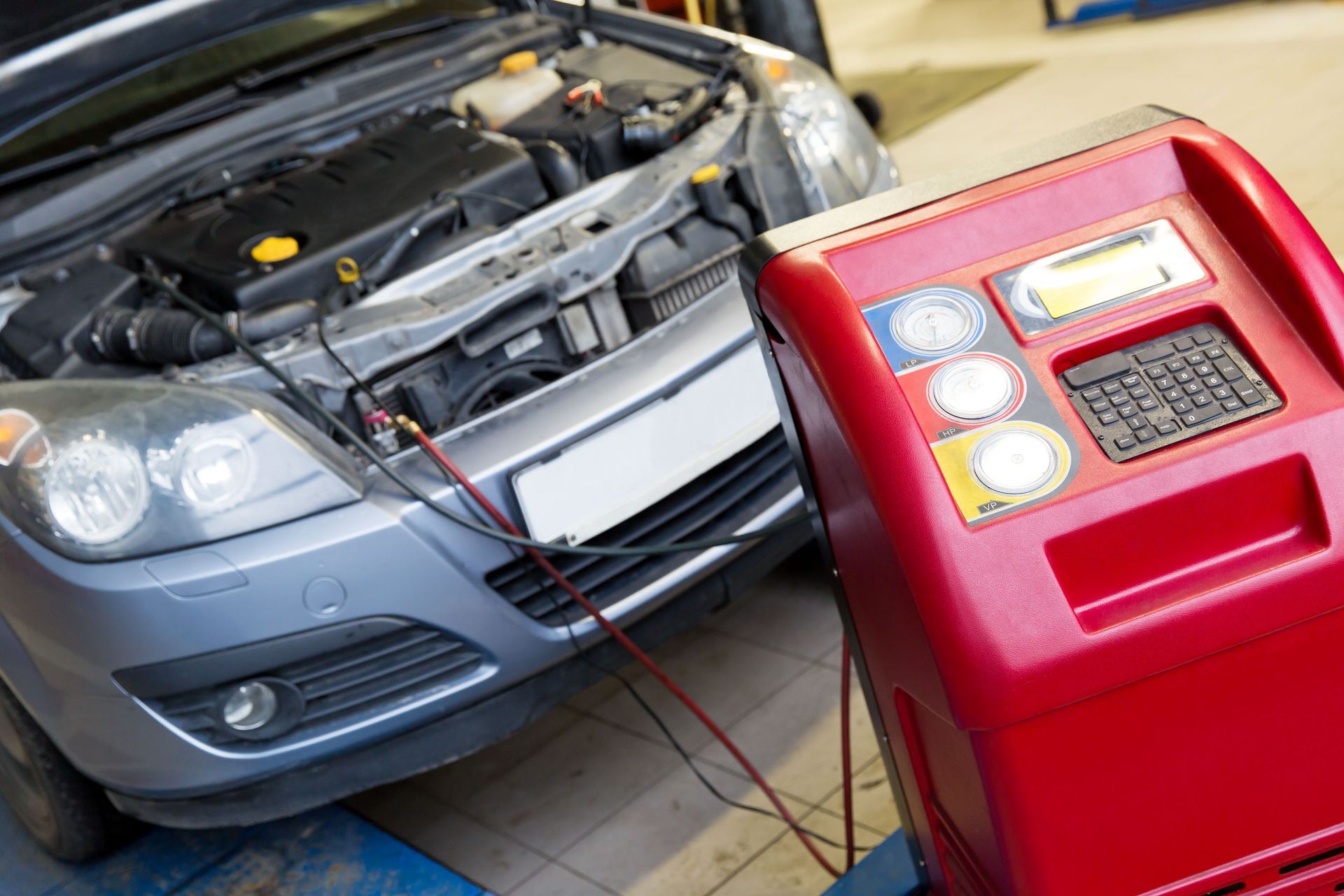
When a DPF becomes clogged, several solutions may be available depending on how severe the buildup is. In some cases, a technician can perform a forced regeneration using specialized diagnostic tools to burn off the excess soot. If the filter contains too much ash or soot for regeneration to clear, it may need to be removed and professionally cleaned. Severely damaged or cracked filters may need to be replaced. Just as important, a technician will look for the underlying cause of the clog, such as a faulty sensor, injector, or EGR valve, so the problem doesn't return. Removing or disabling a DPF is not a legal solution for road vehicles under federal emissions rules and can lead to fines and other problems, so it's important to repair the system properly.
Preventing Future DPF Problems
A few simple habits can help keep your diesel particulate filter working properly. Taking your vehicle on regular highway drives at steady speeds gives the filter a chance to regenerate naturally. If you notice that an active regeneration is in progress, try to keep driving until it finishes rather than shutting off the engine. Using the engine oil recommended by your vehicle's manufacturer, especially low-ash oils designed for diesel engines with DPFs, helps reduce ash buildup. Keeping up with routine maintenance, including air filter changes, fuel system service, and sensor checks, can also prevent excess soot production. Scheduling regular inspections with experienced auto garages like ours allows technicians to monitor the health of your exhaust system and address small issues early.
Knowing When to Visit a Professional
Some DPF-related warnings can be resolved with a highway drive, but others need professional attention. If a warning light stays on after a long drive, if your vehicle enters limp mode, or if you notice a major drop in power or fuel efficiency, it's time to schedule service. Waiting too long can cause the filter to become so clogged that cleaning is no longer possible, leading to a much more expensive replacement. Excess back pressure from a blocked filter can also put strain on the turbocharger and other engine components. Auto garages like ours have the diagnostic tools needed to read soot levels, check sensor data, and pinpoint exactly what's going on. A professional diagnosis provides peace of mind and helps keep your vehicle running smoothly and safely.
At Jerry's Automotive Service LLC, we know how important your diesel vehicle is to your daily life, whether you rely on it for work, towing, or getting your family where they need to go. As one of the
auto garages trusted by local drivers, we provide thorough diagnostics and expert service for diesel particulate filters and the systems that affect them. Our technicians can perform forced regenerations, identify the root cause of recurring clogs, and recommend the right repair or replacement when needed. We'll explain what's happening with your vehicle and help you keep it running efficiently for years to come. Contact Jerry's Automotive Service LLC today to schedule an inspection and keep your diesel performing at its best.







Share On: