
10 Signs Worn Shocks Are Affecting Your Car's Braking Distance and Tires
Maintaining complete control of a vehicle requires more than just a healthy engine and a solid set of brakes. The suspension setup works continuously behind the scenes to keep tires pressed firmly against the road surface, providing stability during every turn, stop, and acceleration. When suspension components begin to wear down, vehicle handling degrades subtly, often making it difficult to notice performance drops right away. Decreased shock performance leads to extended stopping distances, unpredictable emergency braking, and uneven tire wear patterns that shorten tire lifespan. Recognizing early warning signals allows vehicle owners to take action before minor wear turns into severe handling risks. Scheduling a shock replacement when signs of wear appear helps protect your tires, improves stopping efficiency, and keeps your vehicle handling predictably on all types of road surfaces.
1. Increased Stopping Distances During Normal Braking
When you press the brake pedal, weight naturally shifts forward toward the front wheels. Functional suspension units manage this weight transfer smoothly, allowing all four tires to maintain consistent contact with the pavement. When internal dampening components degrade, the front end dives excessively, lifting weight off the rear tires and reducing overall braking grip. This weight imbalance forces the front brakes to work harder while diminishing total stopping power. Timely shock replacement ensures that weight remains evenly distributed across all four wheel positions during braking maneuvers. According to 6wresearch.com, the United States saw a significant decrease in vehicle shock absorber imports in 2024, with a negative growth rate of -27.13% compared to the previous year. Staying proactive with routine maintenance helps maintain predictable stopping distances when navigating busy traffic environments.
2. Cupping or Scalloped Wear Patterns on Tire Treads
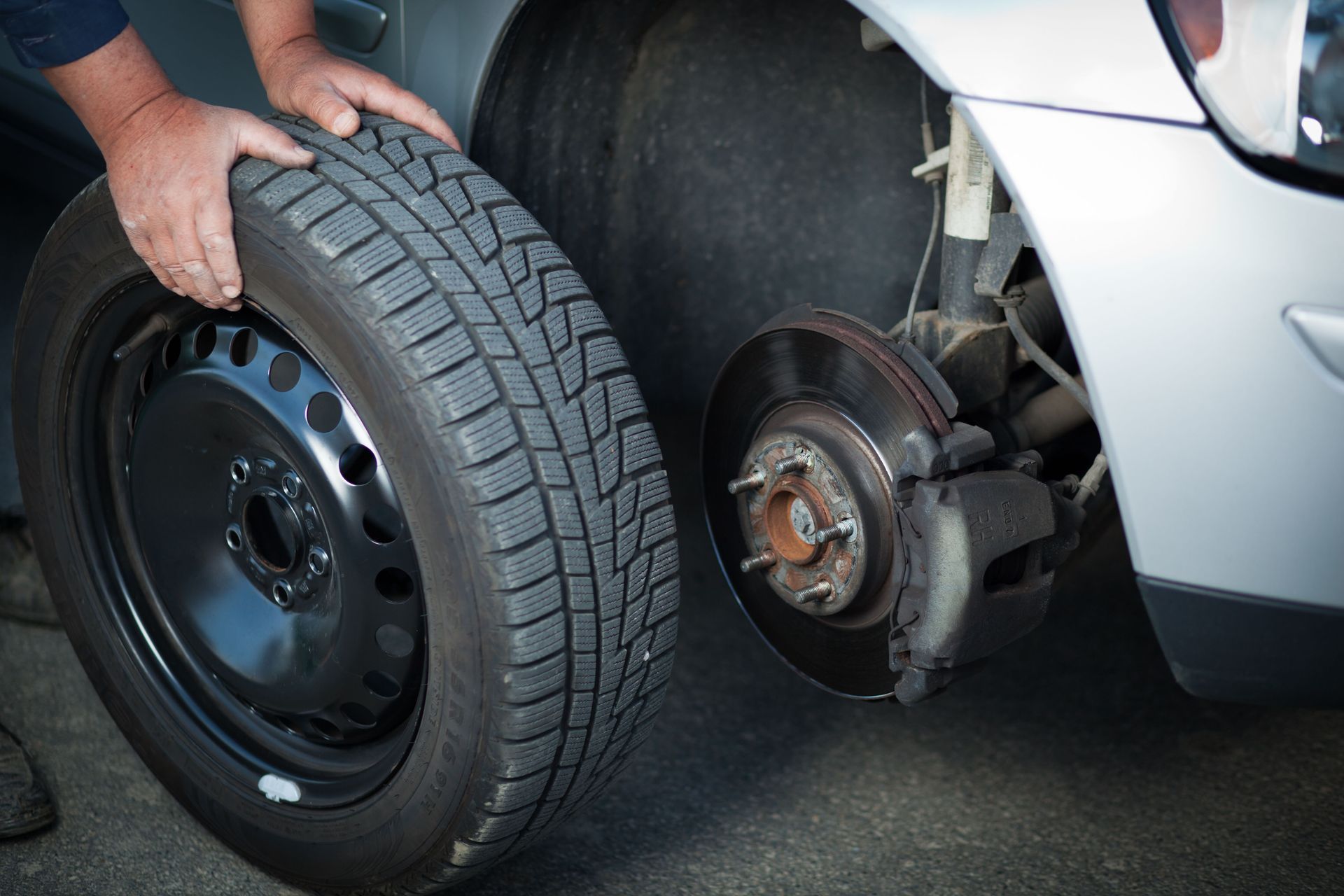
Uneven tread wear known as cupping or scalloping appears as high and low spots smoothed across the tire surface. This distinctive wear pattern occurs when worn suspension components allow the wheel to bounce subtly while rolling down the road. Every time the tire leaves the pavement and slams back down, small bits of rubber are scraped away. Neglecting to arrange a shock replacement allows this bouncing motion to continue, quickly ruining an otherwise healthy set of tires. Visiting a professional auto care facility helps identify whether scalloped tread stems from worn dampeners or misalignment issues. Replacing degraded components eliminates tire bounce, ensuring uniform tread contact and maximizing the lifespan of your tire investment.
3. Excessive Nose-Diving When Applying the Brakes
Nose-diving occurs when the front bumper dips sharply toward the ground as you slow down. This sudden downward pitch indicates that the front suspension can no longer resist the kinetic energy created during braking. As the front end drops, steering control becomes heavier, and the rear tires lose traction, making emergency stops feel unstable and flighty. Scheduling a shock replacement restores necessary hydraulic resistance, preventing the front chassis from dropping excessively during deceleration. Keeping the chassis level maintains consistent tire contact patches, allowing the braking system to bring the vehicle to a controlled stop without compromising steering control.
4. Vehicle Rear Squatting During Hard Acceleration
Just as front suspension components prevent nose-diving, rear dampeners prevent the back end of the vehicle from squatting down during acceleration. When internal seals degrade, pressing the gas pedal causes the rear bumper to sink, shifting weight away from the front steering wheels. This backward weight transfer reduces front tire grip, making steering response feel light, vague, and disconnected. Arranging for a shock replacement stabilizes the rear suspension structure, keeping weight distributed evenly across both axles. Maintaining a level vehicle profile during acceleration ensures that front steering tires maintain firm traction, keeping handling sharp and responsive.
5. Pronounced Body Roll and Swaying in Corners
Navigating turns and highway exit ramps requires the vehicle frame to stay relatively flat. When suspension dampening weakens, the body sways significantly toward the outside of the curve. This excessive leaning forces weight onto the outer tire edges while lifting weight off the inner tires, reducing overall cornering traction. Investing in a shock replacement minimizes chassis roll, allowing all four tires to grip the road surface uniformly during turns. Controlling body roll prevents uneven tread shoulder wear and keeps the vehicle stable when making sudden steering adjustments to avoid road hazards.
6. Persistent Bouncing After Hitting Bumps or Dips
Suspension springs are designed to absorb road impacts, while shock absorbers control the motion of those springs. When you drive over a speed bump or pothole, the vehicle should bounce once and immediately settle back to a level height. If the body continues to float, bounce, or oscillate several times, the internal hydraulic fluid is no longer dampening spring movement. Planning a shock replacement stops uncontrolled spring bouncing, keeping the tires firmly planted against the pavement. Preventing continuous rebounding reduces tire scrub and prevents premature wear on steering knuckles, ball joints, and control arm bushings.
7. Steering Wheel Vibrations and Feedback on Rough Roads
Worn suspension components allow road impacts to transfer directly through the steering column, creating noticeable vibrations in the steering wheel. As wheels bounce uncontrollably over uneven pavement, the driver feels a rapid shaking motion that increases with vehicle speed. This constant vibration reduces steering accuracy and accelerates tire tread degradation across the front axle. A professional shock replacement dampens these impact forces before they reach the steering wheel, providing a smooth, quiet ride. Eliminating steering feedback helps drivers maintain precise directional control, particularly on poorly maintained or unpaved roadways.
8. Fluid Leaking From the Suspension Strut Body
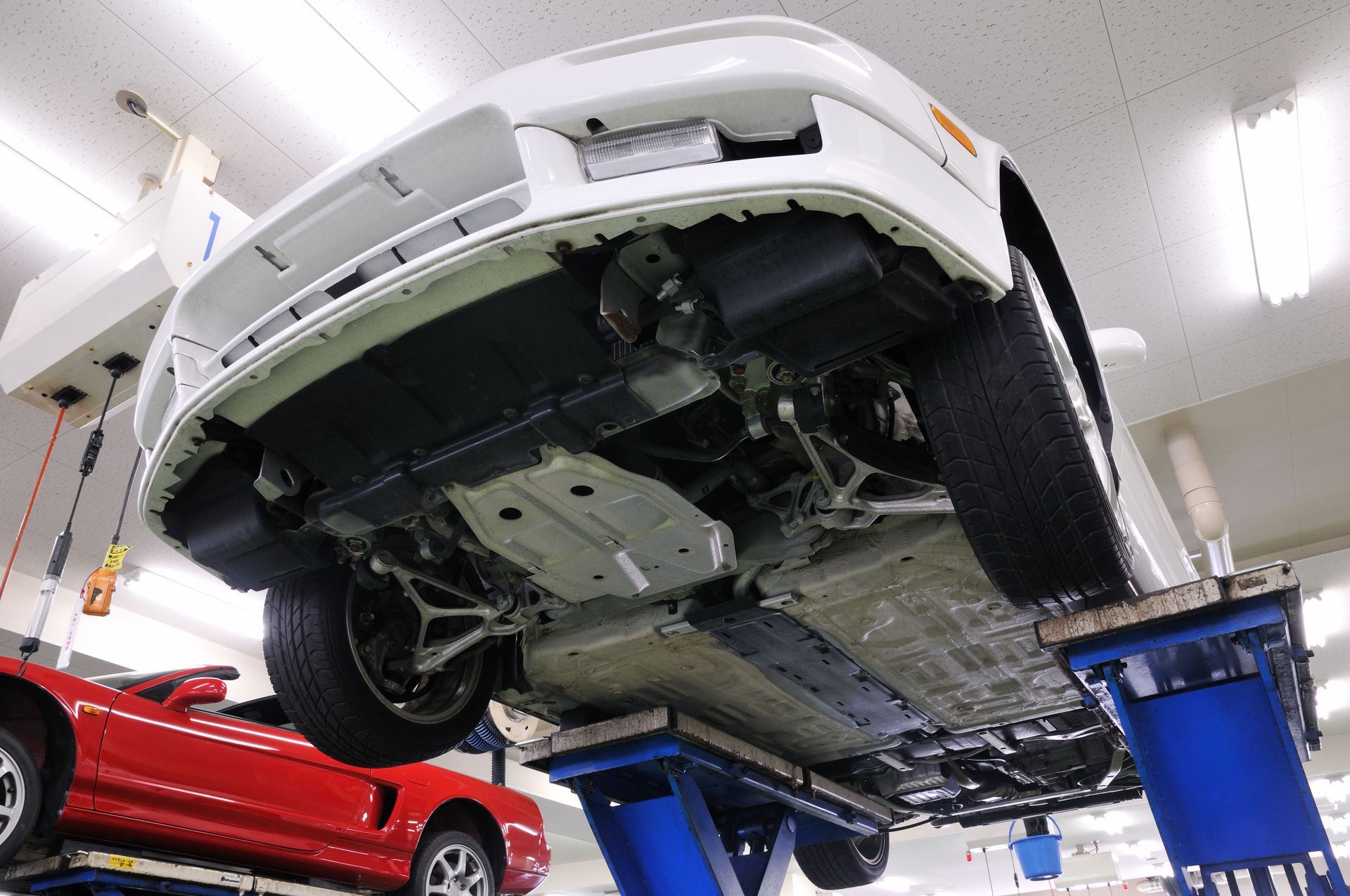
Hydraulic dampeners rely on fluid sealed under pressure to control vehicle motion. Over time, rubber shaft seals degrade due to heat, dirt exposure, and continuous movement, allowing hydraulic fluid to seep out. Visible wetness, oil streaks, or accumulated grime on the outer body of the unit signals that internal fluid levels are dangerously low. Once hydraulic fluid escapes, dampening performance drops rapidly, requiring a shock replacement to restore proper suspension function. Inspecting the underside of the vehicle regularly helps catch fluid leaks early before total dampening failure impacts road safety.
9. ABS Activation on Bumpy or Uneven Surfaces
Anti-lock braking systems use wheel speed sensors to detect when a tire stops rotating during hard braking. If worn suspension components allow a wheel to bounce off the ground on bumpy roads, the sensor detects zero wheel speed while in the air and engages the ABS unnecessarily. False ABS activation pulses the brake pedal, increasing total stopping distance and making the pedal feel inconsistent. Executing a shock replacement keeps the tires in continuous contact with the road, preventing false sensor readings on rough surfaces. Maintaining constant tire contact ensures that electronic safety systems engage only when genuine tire skidding occurs.
10. Accelerated Wear on Surrounding Suspension Components
Suspension systems rely on a series of connected parts working together to absorb road energy and maintain stability. When dampeners wear out and stop absorbing impact forces effectively, that extra kinetic energy transfers directly into surrounding components like ball joints, control arm bushings, tie rod ends, and wheel bearings. Over time, this constant unmitigated shock exposure causes neighboring parts to wear out prematurely, leading to loose handling and costly repairs across the entire front and rear assemblies. Scheduling a timely shock replacement protects connected hardware from excessive mechanical stress, keeping your entire suspension framework intact and operating efficiently for thousands of miles to come.
Recognizing the physical signs of suspension wear is vital for preserving vehicle safety, braking performance, and tire longevity. From extended stopping distances and nose-diving to uneven tread wear and persistent bouncing, every symptom highlights the importance of maintaining a balanced, responsive suspension setup. Addressing degraded components promptly prevents secondary damage to steering components and ensures your tires wear evenly over time. To restore firm handling and keep your vehicle operating smoothly on every drive, contact Jerry's Automotive Service LLC to schedule your service evaluation today.








Share On: