What Are the Signs You Need Transmission Repair?
The transmission is a crucial component of your vehicle's system, responsible for transferring power from the engine to the wheels. Over time, wear and tear or other issues can lead to transmission problems, which can be costly if not addressed early. By recognizing the signs that indicate the need for transmission repair, you can ensure that your vehicle remains in good working condition. Many vehicle owners experience transmission issues, but recognizing the symptoms early can prevent extensive damage. Maintaining a clear understanding of these symptoms empowers drivers to take quick action before minor faults turn into major mechanical failures.
1. Difficulty Shifting Gears
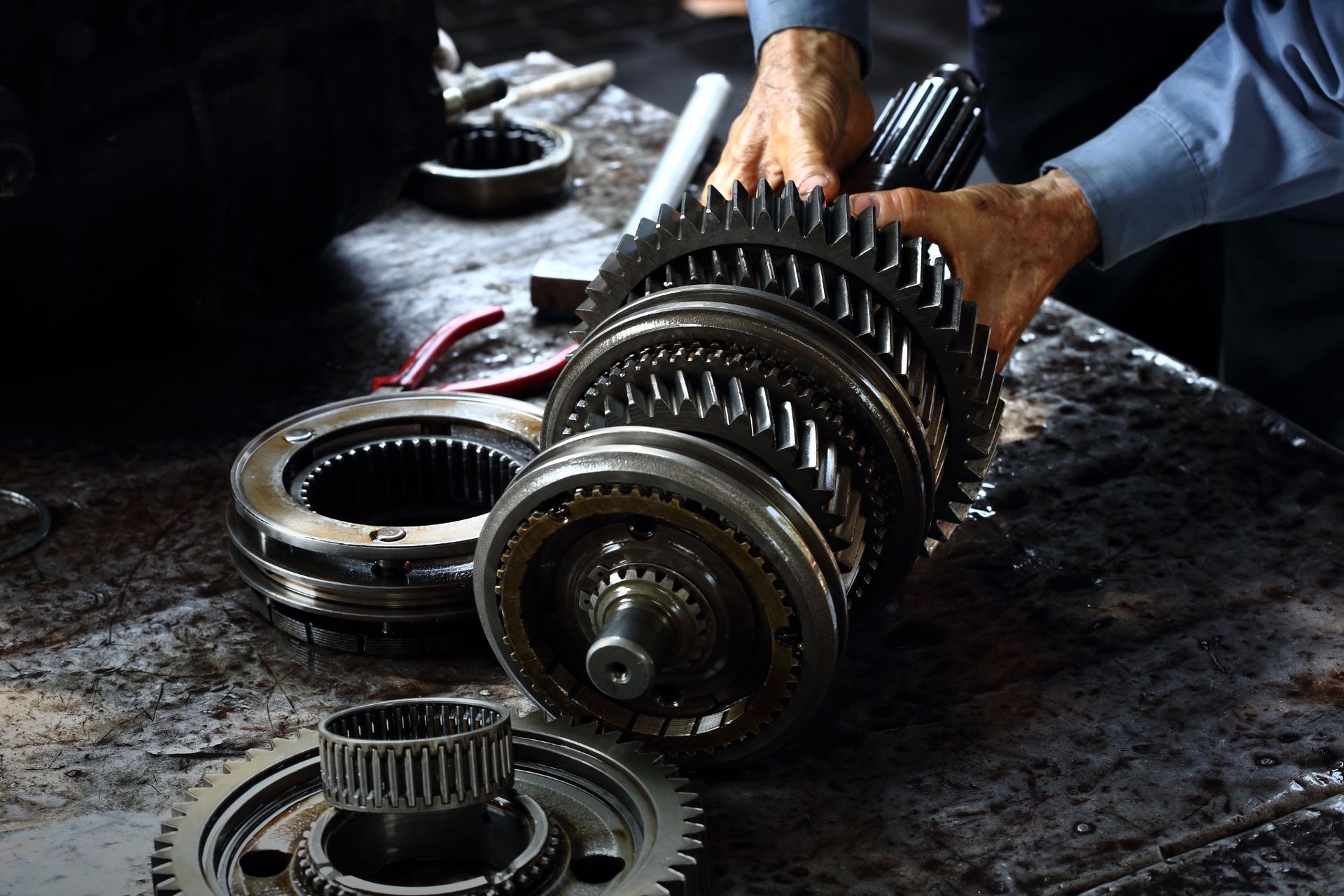
When a vehicle's transmission begins to fail, one of the initial symptoms might be a grinding or shaking sensation during gear shifts. This usually occurs when the gears struggle to engage properly, leading to a rough or even jarring change in gears. The grinding noise is often linked to the wearing down of internal components, which requires immediate attention to prevent further damage. In some cases, this can be due to insufficient fluid lubricating the system, which is vital for maintaining smooth gear transitions. Addressing such symptoms promptly can help avoid more severe issues, potentially saving on the cost of a complete system overhaul.
A delayed response when shifting gears is another warning sign of trouble. This may manifest as a hesitancy or lag between moving the gear stick and the vehicle responding accordingly. Often, this delay signifies a lack of adequate fluid or problems with the internal computer systems that control the gears. Waiting too long to address this issue could lead to increased wear on the system, ultimately resulting in expensive repairs. Regularly monitoring gear shift responsiveness and addressing any irregularities can safeguard your drivetrain's overall longevity.
2. Unusual Transmission Noises
Unusual noises, such as whining or clunking, may be the first indicators of a looming mechanical problem. These sounds often arise from a lack of lubrication within the system, potentially caused by low fluid levels or contamination. They can originate from worn bearings, gear teeth, or even the planetary gear set. If these noises are present, it's vital to check the fluid level and quality, as preventative maintenance can avert further damage. Early detection through sound can lead to timely transmission repair, keeping your vehicle functioning smoothly.
Humming or buzzing noises coming from your vehicle can also indicate underlying issues. Often, these sounds are associated with differential problems or worn-out components such as gears or bearings. Such noises can become more pronounced over time if left unchecked, signaling worsening problems within the drive system. Immediate inspection by a professional can determine whether these sounds are harmless or indicative of more severe issues. Regular vehicle checks are essential in identifying these problems early, potentially avoiding heavy financial expenses.
Rattling during idling is another symptom that could suggest internal issues. Often, this noise is indicative of loose or worn components within the drivetrain. The rattle might emanate from a failing torque converter or an issue with the mounts that hold the unit in place. Ignoring such rattling can exacerbate wear over time, reducing the vehicle's lifespan. It's recommended to have a professional investigate the cause, ensuring the problem is rectified before it escalates.
3. Leaking Transmission Fluid
Fluid leakage is one of the more easily identifiable signs of mechanical issues. Discovering a red or brown puddle under your vehicle often indicates a fluid leak. According to Sharp Sheets, over 75% of Americans use an auto repair service at least once per year. This fluid is crucial for lubricating and cooling the system while facilitating seamless gear shifts. If you suspect such a leak, it's important to confirm the fluid type; it typically has a sweet or tart odor. Early repair of fluid leaks not only prevents severe damage but also avoids potential safety hazards associated with driving with low fluid levels.
Observing low fluid levels during regular checks can also serve as an indication of a leak. Drivetrain systems should be sealed, and fluid levels should remain relatively constant over time. Frequent decreases in fluid levels without visible leaks could point to internal issues, where fluid is being burned off due to excessive heat. A mechanic can perform a thorough inspection to detect the root cause, ensuring your vehicle operates efficiently. Regular fluid level checks can prevent small issues from turning into major overhauls.
Another step in identifying fluid-related problems is evaluating the fluid's color and smell. Healthy fluid is typically red and has a distinct, clean smell. When the fluid appears dark or has a burnt odor, it may suggest overheating or contamination, warranting a fluid replacement. If the fluid is contaminated, its capacity to lubricate and cool is diminished, leading to increased wear and potential failure. Maintaining clean, quality fluid is essential for keeping the entire system in top operating condition.
4. Burning Smell from the Engine
A burning smell emanating from the engine can often be attributed to overheating concerns, particularly within the drivetrain. This smell might arise when the fluid is heated beyond its capacity to cool and lubricate, often resulting from low fluid levels or leaks. Overheating can cause rapid degradation of internal components, necessitating expensive repairs or replacements. Timely fluid checks can prevent such overheating, mitigating potential long-term damage. Immediate investigation upon detecting a burning odor is critical to diagnosing and correcting underlying issues.
Fluid leaks can be the root cause of a burning smell, suggesting the need for thorough inspection and quality transmission repair. It's important to ascertain whether the odor arises from fluid or other engine components. Leaks often lead to fluid contacting hot parts of the engine or exhaust system, which can produce a heavy burning odor. Addressing the source of leaks promptly ensures that the system remains properly lubricated and cooled, maintaining vehicle efficiency. Identifying and alleviating these problems early can save on higher costs down the road.
In some cases, a burning smell can be linked to electrical complications within the vehicle's system. Worn wiring or malfunctioning electrical components can cause increased friction or heat production, leading to burnt circuit smells. This is particularly serious as it could impact various vehicle systems beyond the drivetrain. Conducting regular system checks can help identify and eliminate potential electrical issues before they result in more pronounced problems. Always consult a professional mechanic to explore and resolve electrical-related burning smells appropriately.
5. Poor Vehicle Performance
Issues with the drivetrain can manifest as decreased acceleration, impacting overall driving performance. When the engine and transmission aren't in sync, there can be delays or sluggishness when accelerating. This can be particularly hazardous when quick acceleration is needed, such as on highways or when merging lanes. Performance problems affecting acceleration might be due to slipping belts, low fluid levels, or gear synchronization issues. Seeking timely transmission repair and addressing any performance declines quickly can prevent more serious damage.
Fuel efficiency often diminishes when internal issues arise, making it an important metric to monitor. A poorly functioning system can cause the engine to work harder, increasing fuel consumption and reducing economy. This inefficiency not only increases driving costs but can also be indicative of more substantial mechanical problems. Regular maintenance and timely service can enhance fuel efficiency, providing better performance and reduced expenses. Ensuring the drivetrain operates optimally is key to achieving maximum fuel economy.
Investing time in routine vehicle maintenance always yields long-term savings and reliability. By addressing minor operational changes early, you preserve critical mechanical components and protect yourself from unexpected roadside emergencies. Professional diagnostic evaluations can quickly identify hidden system faults before they spread, keeping your automobile operating safely on every journey. Prompt transmission repair services will protect your investment for years to come. For more information about the services that we offer, reach out to our incredible team at Jerry's Automotive Service LLC today!








Share On: