
How Suspension Repairs Keep Older Cars Safe
Older vehicles, cherished for reliability, face unique safety challenges as they accumulate miles. A critical component crucial to maintaining safety in these aging vehicles is the chassis setup. Understanding how routine maintenance contributes to the protection and longevity of older cars is essential for any automobile owner. Moreover, it addresses how investment in necessary mechanical adjustments can play a pivotal role in extending your vehicle's operational lifespan.
As cars stay on the road longer, maintaining structural integrity becomes a paramount concern for drivers. Neglecting the undercarriage components can lead to catastrophic failures, compromising steering control and stopping distances. Through proactive maintenance, owners can mitigate these risks and ensure their vehicles remain roadworthy. Exploring the specific benefits of high-quality suspension repairs reveals how focused automotive care preserves both vintage models and high-mileage daily drivers.
Understand Car Suspension Mechanics
The suspension system is a key component of any vehicle, directly affecting ride quality and handling characteristics. Its primary function is to manage the dynamic interaction between the car's body and the road surface. By absorbing and dampening shocks, this complex network of parts ensures a smooth ride. It maintains secure contact between the tires and the asphalt, which is crucial for steering and braking. A well-functioning framework lays the foundation for a vehicle’s safety and comfort.
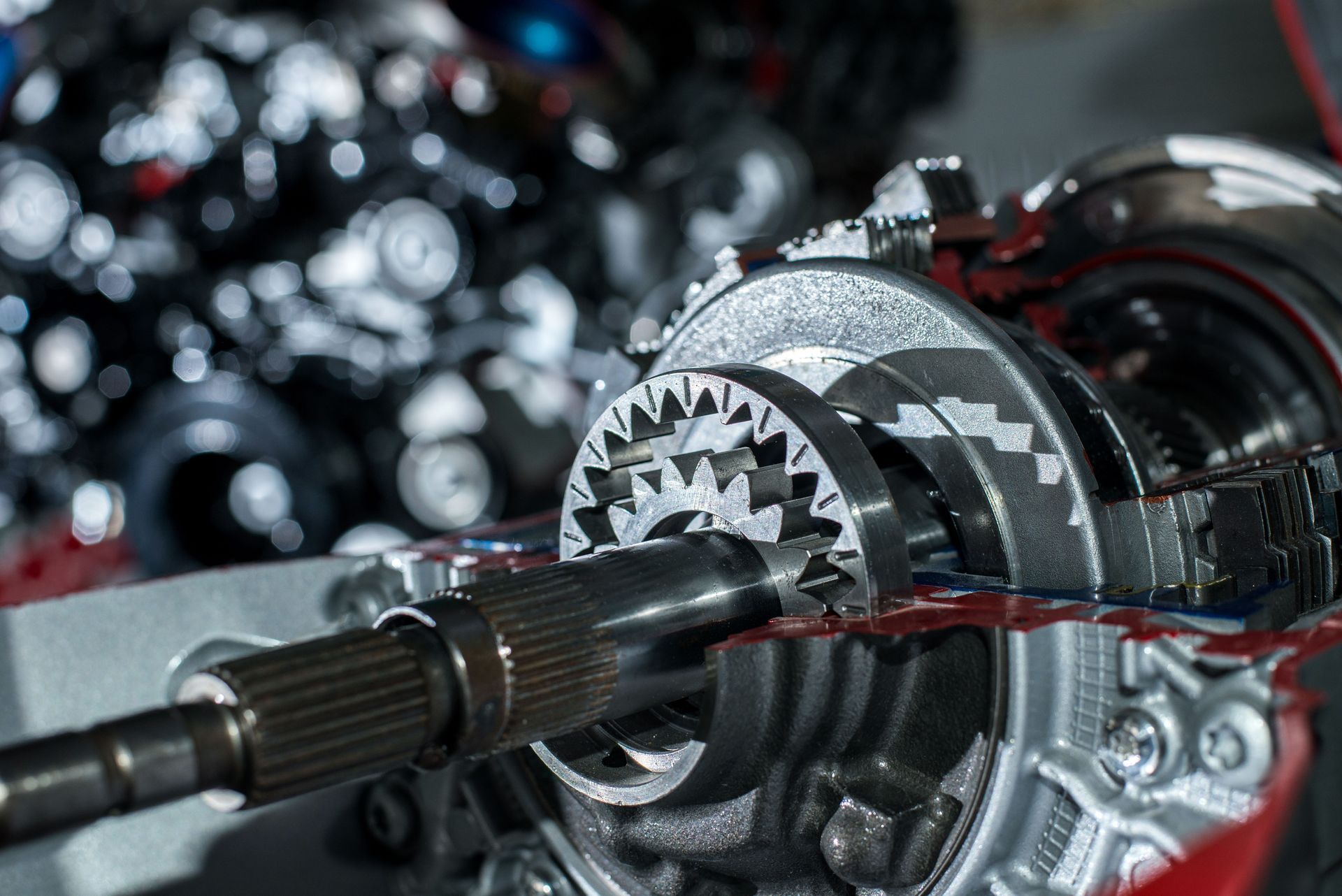
Components like springs, dampers, and struts work in tandem within a car's chassis to counteract road irregularities. Springs absorb energy from road shocks, while dampers, also known as shock absorbers, mitigate the oscillation of these springs. Together, they enhance the vehicle's handling capabilities, preventing excessive body roll. Regardless of the design, each component plays a vital role in the system's overall functionality. Materials wear over time, especially in older cars, leading to potential breakdowns that affect performance.
Protect Vulnerable Vehicle Passengers
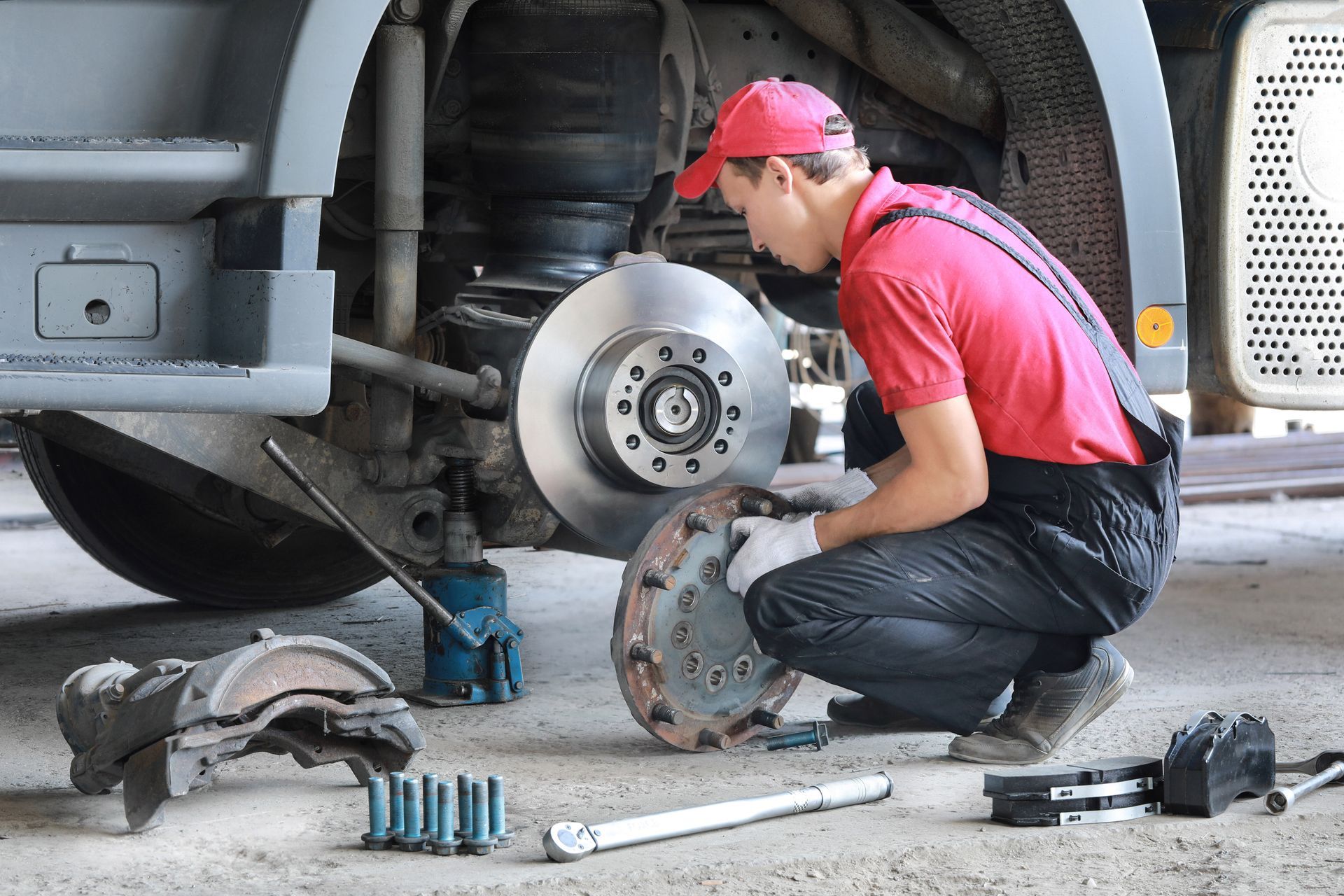
The safety infrastructure of an automobile relies heavily on the state of its shocks and struts. For older vehicles, these systems become particularly vulnerable due to prolonged wear and tear. Over time, components such as bushings, which cushion links between the frame and structural parts, can degrade significantly. Regular inspections help identify worn components that compromise vehicle stability. When parts begin to fail, investing in professional suspension repairs becomes necessary to restore the vehicle's original handling characteristics.
Braking performance is intrinsically linked to the condition of undercarriage components. During a sudden stop, the system helps distribute weight evenly across tires, keeping the car balanced and shortening braking distances. A faulty framework causes uneven tire wear and compromised stopping power, increasing accident risks. A poorly maintained ride control system can lead to steering misalignment, making vehicles difficult to control during critical maneuvers. By enhancing tire grip and maintaining optimal handling, these systems directly affect road safety.
Analyze Connected Automotive Systems
An automobile's internal mechanisms are deeply interconnected, meaning the health of one system directly influences the longevity of others. Tire health is immediately affected by the condition of shock absorbers and alignment. Even slight misalignment or a worn component can lead to irregular tire wear, resulting in decreased traction on wet or icy roads. By executing timely suspension repairs, drivers can prevent premature tire degradation and save significant money on replacements.
Steering responsiveness is another critical aspect that heavily depends on a well-functioning undercarriage. Loose or imprecise steering can arise from worn control arms or damaged ball joints, making the vehicle less responsive to driver inputs. This often results in difficulties maintaining direction, particularly in emergencies requiring quick maneuvers. For older cars, where components naturally degrade, this interconnection underscores the necessity for regular maintenance. Keeping the entire framework in optimal condition prevents a cascade of mechanical failures.
Identify Worn Chassis Components
Identifying signs of wear in a vehicle’s ride control setup is crucial for timely intervention. Common symptoms include unusual noises, such as creaks, squeaks, or clunks when driving over bumps, indicating that bushings or ball joints are failing. Another symptom is an excessively bouncy ride, where the vehicle oscillates repeatedly after encountering a dip in the asphalt. A vehicle pulling to one side or experiencing difficult steering also indicates potential structural issues requiring immediate attention.
Regular inspections and proactive suspension repairs prevent these common problems from escalating into dangerous driving conditions. Drivers should learn to recognize these warning signs, noting any subtle changes in how their vehicle handles during daily commutes. Addressing these symptoms promptly prevents minor mechanical issues from developing into costly overhauls. Replacing worn-out shock absorbers in time maintains vehicle balance and prevents further damage to tires and alignment. Regular attention to maintenance supports vehicle reliability and passenger safety.
Evaluate Damaging Driving Habits
The specific way a vehicle is driven and the environment it encounters significantly affect the lifespan of its mechanical systems. Environmental factors like extreme heat, cold, and moisture cause components to deteriorate more rapidly. For instance, road salt used during harsh winters corrodes metal parts, leading to rust and structural weakening. Potholes, road debris, and unpaved terrains present further risks, constantly testing the limits of structural resilience. Regular encounters with such obstacles lead to severe misalignment and premature component failure.
The payload a vehicle carries also plays a massive role in the degradation of its undercarriage. Overloading an automobile or consistently carrying heavy cargo overstresses internal components, leading to accelerated wear. Springs become permanently compressed over time, and shock absorbers lose their ability to properly dampen motion, adversely affecting ride quality. In older vehicles, where systems are already weakened by years of operation, these risks are more pronounced. This situation necessitates careful load considerations and prompt suspension repairs whenever sagging becomes noticeable.
Choose Correct Maintenance Approaches
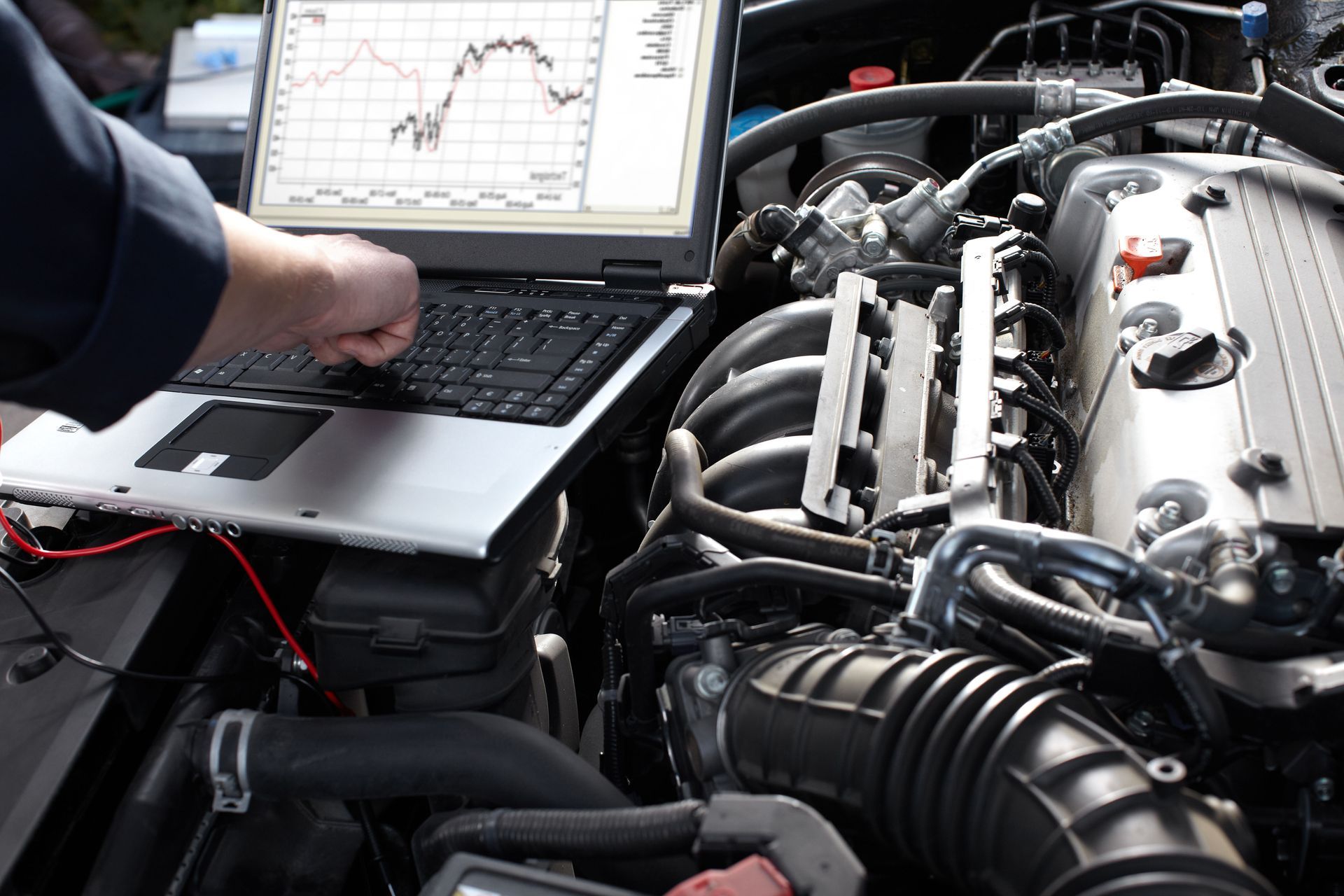
Inspecting and diagnosing structural issues in older vehicles requires a detailed, systematic approach. A thorough visual examination is usually the first step, allowing experienced technicians to identify obvious concerns like fluid leaks or corroded metal. During this initial inspection, the condition of tires is assessed, as uneven tread patterns indicate underlying misalignments. By employing advanced diagnostic tools, professionals can simulate real-world driving conditions, highlighting specific component weaknesses or hidden failure points that require targeted suspension repairs.
Technicians often perform comprehensive checks to accurately assess the condition of an aging chassis. According to Car Lift Lab, the typical age of automobiles operating on American roads has reached 12.6 years, highlighting why keeping track of these wear indicators is critical. Catching and correcting mechanical issues early ensures the safety and comfort of both driver and passengers. Executing comprehensive suspension repairs ensures the vehicle remains a dependable asset rather than a safety hazard, helping drivers maintain complete control on the road.
Maintaining an older vehicle requires dedication, awareness, and a commitment to regular mechanical upkeep. The chassis and ride control systems are fundamental to keeping these classic or high-mileage cars safe on modern roads. By understanding signs of wear, recognizing environmental hazards, and addressing mechanical issues promptly, owners can preserve their vehicles for years. Investing in the health of your automobile safeguards your investment and protects everyone sharing the highway.
When it comes to preserving the structural integrity and handling of your vehicle, professional oversight is irreplaceable. Expert technicians possess the diagnostic tools and experience necessary to identify hidden wear and perform high-quality suspension repairs. To keep your classic or high-mileage vehicle operating safely on the road, please contact us today to schedule your next maintenance appointment at Jerry's Automotive Service LLC.








Share On: